Industries

Collaborative robots offer competitive advantages to businesses across industries.
Learn More

Applications

Dobot's robots are capable of performing a wide range of tasks more efficiently.
Learn More
Support

Blog

Providing professional services to meet various customer needs and qualified technical support to answer multiple questions. 

You ask - we answer. 

How to Choose the Right Industrial Robot Arm for Your Needs?

Choosing the right Industrial Robot Arm can be a daunting task. With various options available, understanding your specific needs is crucial. Dr. Emily Carter, a renowned expert in robotics, once stated, "The right Industrial Robot Arm can transform productivity, but not all arms are created equal." This insight emphasizes the importance of personalized selection.

When considering an Industrial Robot Arm, one must evaluate factors like payload capacity and reach. A mismatch can hinder efficiency. For instance, an arm with insufficient reach might struggle to access distant components. Evaluating design requirements is vital. Small mistakes can lead to major setbacks.

Many manufacturers offer extensive specs for their Industrial Robot Arms. However, these details can be overwhelming. Potential buyers must take time to analyze them carefully. Questions often arise: What tasks will the arm perform? What environment will it operate in? Reflecting on these queries can clarify the decision-making process. Ultimately, selecting an Industrial Robot Arm is less about finding a perfect match and more about finding a suitable one for your unique requirements.

How to Choose the Right Industrial Robot Arm for Your Needs?

Understanding Your Industrial Application Requirements

Selecting the right industrial robot arm hinges on understanding your specific application requirements. Different tasks demand varied capabilities. For instance, assembly, welding, or material handling each come with unique challenges. Assessing your production needs is vital. What weight does the arm need to lift? What precision is required for each task?

Consider the workspace as well. The robot's size and reach should align with your facility. Many operations suffer from underutilizing space. Positioning too close to obstacles limits the arm’s effectiveness. Also, think about speed. Some tasks require quick cycles, while others prioritize careful handling.

Compatibility with existing systems is another essential factor. A robot that integrates with your current setup increases efficiency. Yet, inconsistencies can arise during the integration process. It may require adjustments and testing. Be prepared for potential setbacks and remain flexible in your approach. Understanding these aspects can help ensure a suitable choice, streamlining operations and enhancing productivity.

Assessing Payload and Reach Specifications

When selecting an industrial robot arm, understanding payload and reach specifications is crucial. The payload capacity determines how much weight the arm can handle. Depending on your application, you may need a robot that can lift several hundred kilograms. For instance, the International Federation of Robotics reports that the average payload capacity of industrial robots has increased by 25% over the past decade. This statistic highlights the advancements in technology and materials, making it essential to assess your needs carefully.

Reach is another vital specification. Reach refers to how far the robot can extend its arm to perform tasks. In assembly lines, a reach of up to 2 meters is common. However, some applications may require greater flexibility. A meticulous analysis of your workspace and task requirements can prevent costly mistakes and inefficiencies. If the robot cannot reach the required areas, productivity will suffer.

Consider assessing how often the robot will need to move between tasks or areas. If frequent repositioning is necessary, a robot with a longer reach may prove advantageous. Look into the operational envelope—this is the three-dimensional space where the robot can operate effectively. Designing with these specifications in mind may introduce challenges. It’s important to reflect on whether your workspace can accommodate a robot's needs before making a purchasing decision.

Evaluating Robot Arm Types and Their Suitability

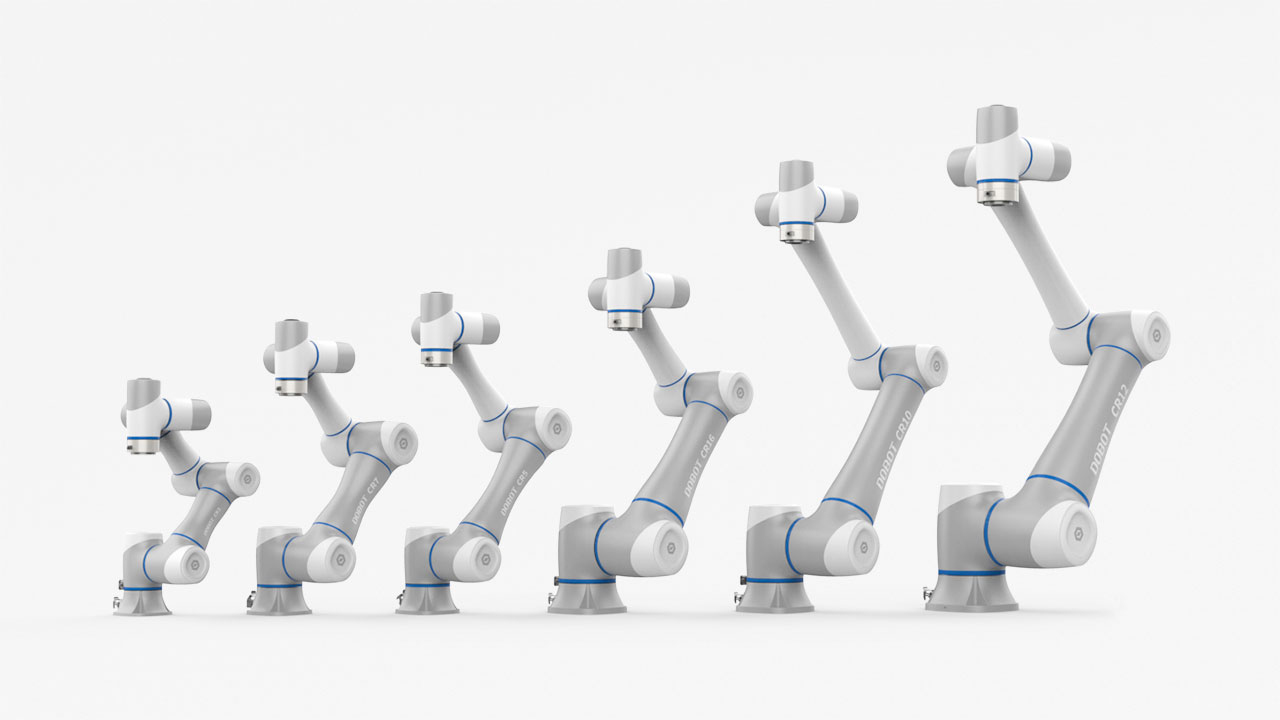
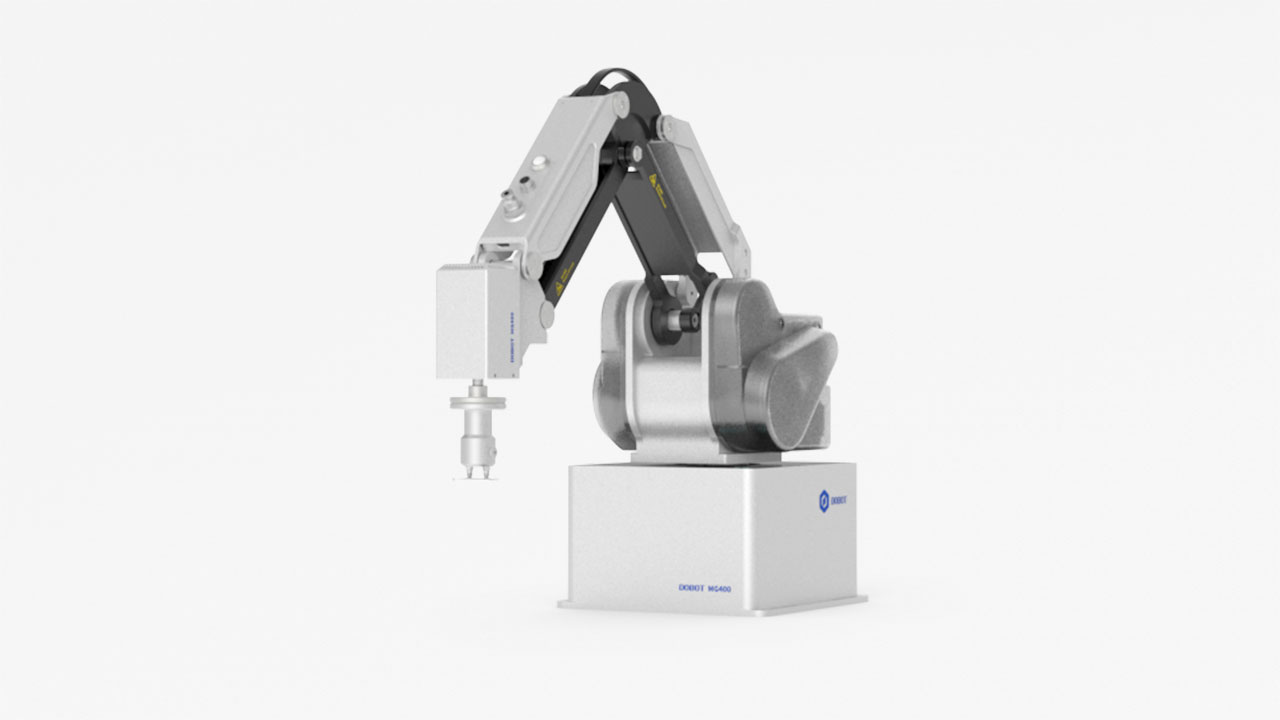
When selecting the right industrial robot arm, understanding the various types available is crucial. Different applications demand specific functionalities. For instance, articulated robot arms are commonly used in assembly lines due to their versatility. In contrast, SCARA robots excel in tasks that require horizontal movements, such as pick and place operations. Understanding the nuances between these types can help you make informed decisions.

Weight capacity and precision are also key factors to consider. Some robotic arms can lift significant loads but may lack in precision. Others provide high accuracy but with limited payload capacity. Analyzing your production requirements will shed light on what features matter most. Sometimes, settling for a model that doesn’t quite meet all your needs is tempting. However, this can lead to inefficiencies and increased long-term costs.

Lastly, consider the robot’s ease of programming and integration into existing systems. Complex robots may require extensive training, which can be a barrier for many users. Evaluate how user-friendly the controls are. A user-friendly interface may appear less sophisticated but often leads to a smoother transition. Balancing technical capabilities with usability can be a challenging but vital part of the decision-making process.

How to Choose the Right Industrial Robot Arm for Your Needs?

Robot Arm Type Payload Capacity (kg) Reach (mm) Degrees of Freedom Common Applications
Articulated Robot 10 - 150 500 - 2000 6 Welding, Assembly
SCARA Robot 3 - 20 300 - 1000 4 Pick and Place, Packaging
Delta Robot 1 - 10 300 - 800 3 Sorting, Packing
Cartesian Robot 5 - 50 600 - 1200 3 Material Handling, CNC
Collaborative Robot 2 - 25 500 - 1500 6 Assembly, Quality Control

Comparing Control Systems and Programming Options

When selecting an industrial robot arm, understanding control systems and programming options is crucial. The type of control system can greatly affect performance and adaptability. Most robot arms utilize either open-loop or closed-loop systems. Open-loop systems are simpler and more cost-effective, but they lack precision in dynamic environments. On the other hand, closed-loop systems provide real-time feedback, enhancing accuracy and adaptability to changing conditions.

Programming options vary widely across different robot arms. Some offer straightforward, user-friendly interfaces, while others may require complex coding skills. Graphical programming tools are increasingly popular. They allow users to create programs by dragging and dropping commands, making robotics more accessible. Yet, relying solely on graphical tools can limit advanced functionalities. Users may find that deeper programming knowledge enhances versatility and control.

A thoughtful approach to these elements ensures that the chosen robot arm meets specific requirements. Consider potential growth and changes in production lines. Flexibility in programming can save time and resources in the long run. Seek out various resources and communities for insights, as this field is continually evolving. Experimenting with different systems may reveal strengths and weaknesses that are not immediately apparent. A decision anchored in thorough research will foster reliability and performance in your robotic investments.

Considering Budget and Total Cost of Ownership

When selecting an industrial robot arm, budget and total cost of ownership are crucial factors. The initial price may seem appealing, but hidden costs can emerge later. Maintenance, energy consumption, and downtime add up quickly. A low purchase price may lead to higher expenses over time. It's essential to consider the long-term implications of your investment.

Assessing energy efficiency can provide significant savings. Some robots consume more power, affecting operational costs. Additionally, consider maintenance requirements. A robot that requires frequent service can be a financial burden. Think about the availability of replacement parts and service technicians. Local support can reduce costly downtime and keep production running smoothly.

A budget is not solely about upfront costs. Influencing factors include the robot's lifespan and productivity. Choose an option that aligns with your long-term goals. Evaluate not just the price tag but also how the robot fits into your overall operations. Sometimes, spending more initially can lead to savings later. The right choice balances upfront investment with ongoing costs and future benefits. Reflect on what these factors mean for your specific needs.

User Center Features Promotion

Learn useful insights, save and exchange knowledge easily with MyDobot User Center

Establish Contact with Dobot Experts

Take part in automation transformation. Let’s work together towards a more efficient tomorrow.

Contact Information

Virtual Controller Application

We provide a free trial application for the robot cloud virtual controller. Fill in the following information and we will issue you a 12-hour license.

Contact Information

File sent

The related product information has been sent, please kindly check your email.

Join Dobot+ Ecosystem to Forge Deeper Partnerships

Dobot sincerely invites robotics software companies and hardware manufacturers to Dobot+. Together we can offer best in class solutions to end users in various industries.

Contact Information

Contact Form

Home

Virtual Controller Application

Top