Providing professional services to meet various customer needs and qualified technical support to answer multiple questions.
You ask - we answer.
2026 Best Big Scale Casting Techniques for Global Buyers?
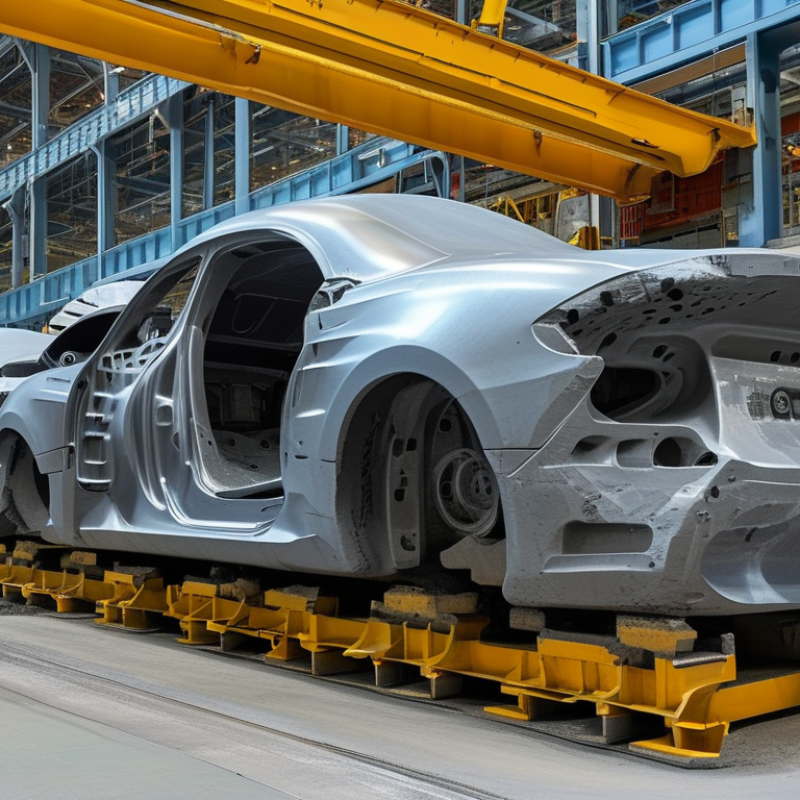
As the demand for high-quality manufacturing rises, Big Scale Casting techniques have become crucial for global buyers. In 2026, various innovative methods will emerge, offering unique solutions for diverse industries. Understanding these techniques is key to staying competitive.
Big Scale Casting involves complex processes. It caters to industries like automotive, aerospace, and construction. By mastering these techniques, manufacturers can produce large quantities with precision. However, managing these processes presents challenges. Each method has its limitations and potential risks.
Buyers must navigate these challenges wisely. They should prioritize quality and reliability in their choices. Evaluating suppliers based on their expertise is essential. This approach ensures that businesses can trust their products. Embracing new methods is vital, but it also requires reflection on past outcomes. Companies must continuously improve to thrive in a dynamic market.
In 2026, big scale casting techniques are gaining momentum. They cater to industries like automotive and aerospace. Advanced methods are reshaping production efficiency. Innovative technologies improve precision and reduce waste significantly.
One key technique is the use of 3D printing. It allows for intricate designs that were once impossible. However, it requires careful material selection. Proper choices can enhance final product strength and durability.
Tip: Always assess the material properties against your project requirements.
Another approach is investment casting. It is ideal for complex shapes and small batches. The downside? It can be costly. Evaluate whether the benefits truly outweigh the expenses.
Tip: Consider prototyping before full-scale production. It helps identify potential flaws early.
Big scale casting demands expertise. Yet, continued learning is crucial. The industry evolves rapidly. Stay updated to maintain a competitive edge. Adaptation can lead to improved outcomes.
Casting techniques play a crucial role in manufacturing. The choice of technique can greatly affect the final product's quality. Factors such as material properties, production volume, and design complexity all influence the decision. For instance, different materials require specific approaches. Steel and aluminum casting may need distinct methods due to their melting points and behaviors.
Consider the following tips when selecting a casting technique. Evaluate the design intricacies. A complex shape might push for precision casting options. Simpler designs could benefit from sand casting, which remains cost-effective. Remember, larger volumes often shift the focus towards processes that improve efficiency, such as die casting.
Reflect on the environmental impact as well. Some techniques produce more waste than others. It's essential to balance production needs with sustainability goals. While efficiency is vital, it shouldn’t come at the cost of ecological responsibility. Each technique has its strengths but also its challenges.
Innovative Materials Used in Large-Scale Casting
The landscape of large-scale casting continues to evolve with innovative materials that offer better performance and sustainability. One of the most promising advancements is the use of advanced polymers. These materials can withstand extreme temperatures and pressures, making them suitable for complex applications. Additionally, they are often lighter than traditional metals, which can reduce transportation costs and energy consumption.
Another exciting development is the incorporation of bio-based composites. These materials not only reduce the carbon footprint but also enhance the recyclability of products. While they are gaining traction, challenges remain regarding their mechanical properties and long-term durability. The industry must invest in research to refine these materials for broader application.
Finally, metallic alloys with unique properties are also emerging. They can provide higher strength and better resistance to corrosion. However, the availability of raw materials and the cost of production need to be addressed. The balance between innovation and practicality is crucial in the field of large-scale casting. As manufacturers explore these alternatives, the potential for improved efficiency and sustainability remains significant.
2026 Best Big Scale Casting Techniques for Global Buyers - Innovative Materials Used in Large-Scale Casting
Casting Technique
Material Used
Application Area
Advantages
Sand Casting
Silica Sand
Automotive Components
Cost-effective, versatile
Investment Casting
Ceramic
Aerospace Parts
High precision, complex shapes
Die Casting
Aluminum Alloy
Consumer Electronics
Enhanced strength, smooth surface
Permanent Mold Casting
Iron
Machinery Components
Good dimensional accuracy, recyclability
Shell Casting
Resin Sand
Heavy Equipment
Fine surface finish, reduced machining costs
Lost Foam Casting
Polystyrene Foam
Complex Castings
Reduction in material waste, no mold required
Comparison of Traditional and Modern Casting Methods
Casting has evolved significantly over time, offering both traditional and modern methods to meet industrial needs. Traditional casting techniques, such as sand casting and investment casting, have been reliable for decades. These methods allow for intricate designs but often require more labor and time.
In contrast, modern casting techniques utilize advanced technology. Processes like 3D printing and vacuum casting enhance efficiency. They reduce waste and can produce complex shapes quickly. However, these methods can be expensive. Some industries may struggle to justify the costs of modern techniques.
While traditional methods provide a sense of craftsmanship, they may not meet the demand for rapid production. Modern methods offer speed but may lack the same personal touch. Each approach has its pros and cons. Buyers must weigh the benefits of speed against the quality of craftsmanship. As technology advances, the gap between these two methods may narrow, but both will remain relevant for different needs.
Global Trends and Market Demands in Casting Techniques
The global casting industry is rapidly evolving. Key trends indicate a shift towards more sustainable and efficient methods. According to a recent report by MarketsandMarkets, the global market for casting is projected to reach $234.8 billion by 2026, demonstrating a compound annual growth rate (CAGR) of 5.8%. This demand reflects a growing preference for precision in manufacturing.
Sustainable practices are becoming essential. For instance, advanced technologies such as 3D printing are changing how casting is approached. The integration of digital tools improves design accuracy and reduces waste. As a result, manufacturers face challenges in adapting to these technologies. The initial costs can be high, and not all facilities are equipped for such transitions. Moreover, training staff on new technologies requires time, which can delay production.
Tips: Focus on integrating digital solutions gradually. Start with pilot projects to assess their effectiveness. Investing in workforce training pays off in the long run. Adopting eco-friendly practices can also enhance brand reputation while meeting regulatory requirements. Being open to change is crucial, yet it should be approached with care, as mistakes can be costly.
Learn useful insights, save and exchange knowledge easily with MyDobot User Center
Establish Contact with Dobot Experts
Take part in automation transformation. Let’s work together towards a more efficient tomorrow.
Contact Information
Virtual Controller Application
We provide a free trial application for the robot cloud virtual controller. Fill in the following information and we will issue you a 12-hour license.
Contact Information
File sent
The related product information has been sent, please kindly check your email.
Loading, please wait...
Join Dobot+ Ecosystem to Forge Deeper Partnerships
Dobot sincerely invites robotics software companies and hardware manufacturers to Dobot+. Together we can offer best in class solutions to end users in various industries.