What Are the Benefits of Using a Pallet Robot for Your Business?
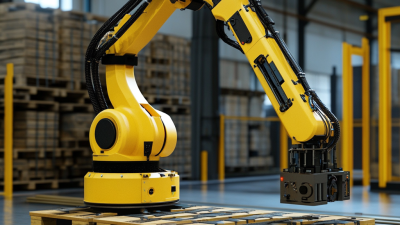
In today’s competitive market, businesses are constantly seeking ways to enhance efficiency. One solution gaining traction is the Pallet Robot. According to a recent industry report from the Robotics Industry Association, the use of palletizing robots can improve operational efficiency by up to 30%. This technology is transforming logistics and warehousing.
Expert in automated systems, Dr. Jane Smith, emphasizes the importance of adopting new technologies. She states, “Integrating a Pallet Robot can reduce labor costs and improve throughput.” Her insights highlight how this automation can optimize labor resources. However, businesses must consider potential challenges in maintenance and initial investment.
Furthermore, implementing a Pallet Robot requires careful planning. It’s essential to align the technology with existing workflows. Companies should assess their unique needs and operational complexities. While benefits are significant, the transition may involve hurdles. This reflection is vital for businesses aiming to leverage innovation responsibly.
Benefits of Automating Material Handling with Pallet Robots
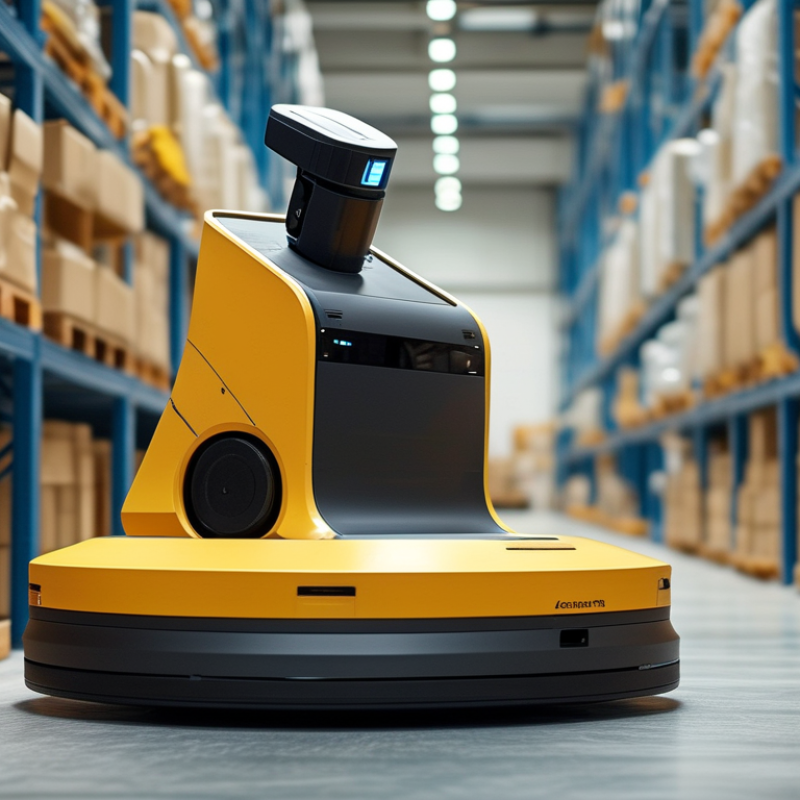
In the modern business landscape, automating material handling with pallet robots brings significant advantages. These machines optimize the movement of goods, reducing the need for manual labor. They can transport heavy loads swiftly and accurately, enhancing efficiency in warehouses and manufacturing units.
Pallet robots operate tirelessly, which minimizes worker fatigue and injury risks. They handle repetitive tasks, allowing human workers to focus on higher-value activities. Moreover, the precision of these robots reduces errors during the loading and unloading of goods, improving overall workflow. However, while the initial investment can be substantial, businesses often see a return through increased productivity and reduced labor costs.
Addressing the challenges of integration remains crucial. Some companies struggle to adapt their existing systems to accommodate automation. This adjustment period can cause temporary disruptions. Nonetheless, the long-term benefits typically outweigh these early hurdles. Investing in the right technology can foster not just efficiency, but also a safer working environment. The transition may take time, but the results can transform a business's operational capabilities.
What Are the Benefits of Using a Pallet Robot for Your Business?
| Benefit |
Description |
Impact on Business |
| Increased Efficiency |
Pallet robots automate the handling of materials, reducing the time taken for manual processes. |
Higher throughput and faster production cycles. |
| Cost Reduction |
Automation helps lower labor costs and minimizes errors during handling. |
Improved profit margins and budget efficiency. |
| Enhanced Safety |
Pallet robots reduce the risk of injuries caused by manual lifting and handling. |
Safer work environment and lower insurance costs. |
| Flexibility |
Robots can be programmed for various tasks and configurations, adapting to different workflows. |
Increased ability to adjust to changing production needs. |
| Consistent Quality |
Automated handling ensures uniformity and precision in operations. |
Enhanced product quality and reduced waste. |
Enhancing Efficiency and Productivity through Pallet Robot Integration
Pallet robots are transforming modern warehousing and manufacturing landscapes. Integrating these systems enhances efficiency significantly. Recent studies indicate that automation can reduce manual labor costs by up to 30%. This substantial decrease drives investment in pallet robot technology.
The robots optimize space use and streamline workflows. They can handle repetitive tasks like palletizing and depalletizing with precision. Reports suggest that companies implementing pallet robots have seen productivity boosts of 20% or more. This increase allows human workers to focus on higher-value tasks, enhancing overall operational efficiency.
However, the transition to automation isn’t without challenges. Companies must ensure proper training for staff interacting with these systems. There's also the potential for technological failures that could disrupt productivity. Reliability must be prioritized in the development and integration phases. Finding the right balance between automation and human oversight is key.
Reducing Labor Costs and Improving Worker Safety with Pallet Robots
Pallet robots are changing the landscape of warehouse management. These machines can significantly reduce labor costs by automating the often repetitive tasks of moving and stacking goods. With the ability to handle heavy loads efficiently, pallet robots free up human workers for more complex responsibilities. This not only enhances productivity but also helps businesses allocate their workforce where it is most needed.
Worker safety is another critical area where pallet robots excel. In many warehouses, manual handling of pallets poses risks of injury and strain. By employing machines to perform these tasks, companies can minimize the physical demands on employees. This shift helps create a safer environment, reducing workplace accidents and improving overall employee morale. Yet, it’s essential to consider the transition process. Training staff to work alongside robots can be challenging, and some may resist this change.
While automation promises efficiency, it may also make some workers uneasy. The fear of job loss is a legitimate concern. Therefore, businesses must foster a culture of collaboration between humans and machines. This relationship can lead to improved outcomes for both employees and the company. Investing in technology should ideally accompany a commitment to employee development and support. It's a balance that requires thoughtfulness and strategy.
Increasing Accuracy and Reducing Errors in Palletizing Operations
Using a pallet robot can significantly enhance accuracy in palletizing operations. These advanced machines minimize human error, which is crucial in any production environment. For example, traditional palletizing methods often rely on workers, leading to mistakes such as misalignment or uneven stacking. A pallet robot, in contrast, consistently follows programmed paths and algorithms, ensuring that every pallet is constructed with precision.
Implementing pallet robots also reduces stress on employees. Repetitive tasks can lead to fatigue and decreased focus. When workers are relieved of these duties, they can concentrate on more critical aspects of production. This not only improves job satisfaction but also enhances overall operation quality.
In this transition, consider conducting regular assessments of your processes. Analyzing performance data helps identify areas for improvement. Experiment with different robot models to determine which fits your business needs best. Continuous evaluation can reveal unexpected benefits or necessary adjustments in your operation. Staying adaptable ensures you harness the full potential of robotic automation.
Case Studies: Successful Implementation of Pallet Robots in Various Industries
In recent years, pallet robots have transformed several industries by enhancing efficiency and reducing labor costs. In a warehouse setting, a major retailer implemented pallet robots for their shipping operations. These robots streamlined the process, moving pallets quickly and minimizing the risk of injury for workers. Employees could focus on more complex tasks, which improved overall productivity.
In another case, a food distribution company adopted pallet robots to handle heavy lifting. The robots maintained consistent speed and precision, ensuring that products were loaded efficiently. This led to quicker turnaround times and reduced waste. However, reliance on technology did pose challenges. Training crews to work alongside robots required time and adjustments in workflow.
Despite their clear advantages, some companies experienced initial resistance. Employees worried about job security, and some robots faced technical glitches. Addressing these challenges requires open communication and ongoing support for staff. As businesses consider implementing pallet robots, reflecting on both successes and setbacks is crucial for long-term success.

 Metal Processing
 Automotive
 Food & Beverage
 Chemical
 Consumer Electronics
 Healthcare
 New Retail
 Semiconductor
 Welding
 Palletizing
 Loading and Unloading
 Assembly
 Bin Picking
 Gluing
 Insertion
 Polishing