Providing professional services to meet various customer needs and qualified technical support to answer multiple questions.
You ask - we answer.
Top 5 Tips for Choosing the Right Elevator Wire Rope?
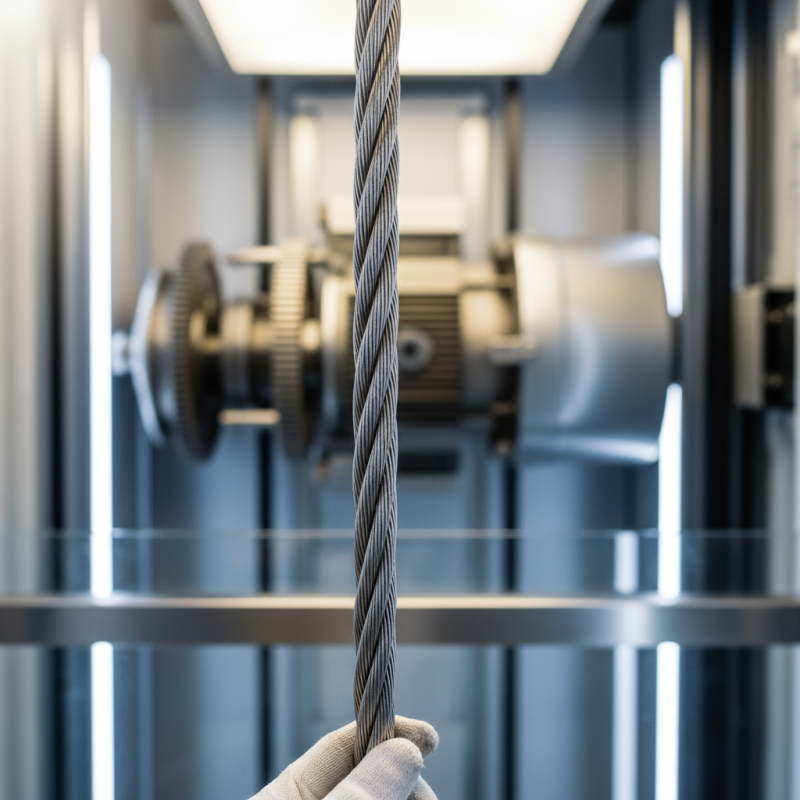
Choosing the right Elevator wire rope is crucial for safety and efficiency. The elevator wire rope plays a vital role in supporting the weight of the entire system. Therefore, understanding the various factors involved is essential for making an informed decision.
When selecting an elevator wire rope, consider strength and durability. Quality materials ensure longer life and reliability. However, many users overlook the importance of proper maintenance. Regular inspections can help identify wear or damage early.
Furthermore, you must evaluate the installation process. Not all ropes are compatible with every elevator system. This aspect can lead to costly mistakes if ignored. Taking the time to research and consult with experts can significantly impact your choice. With the right approach, you can select the best elevator wire rope tailored to your specific needs.
Understanding Different Types of Elevator Wire Ropes and Their Uses
Choosing the right elevator wire rope is crucial for safety and efficiency in vertical transportation. Various types of wire ropes are available, and each serves distinct purposes. For instance, steel wire ropes are commonly used due to their high tensile strength. They are ideal for heavy-duty elevators. However, they can be rigid and less flexible, which might not be suitable for all applications.
Another option is the plastic-coated wire rope. This type provides added protection against corrosion. It is often used in hydraulic elevators, where moisture is a concern. While plastic-coated ropes offer durability, they may wear down more quickly in high-friction environments. It’s important to consider the environment where the rope will be used. Factors like humidity, temperature, and load capacity play a significant role in selecting the appropriate wire rope.
There's also the option of using specialized wire ropes designed for specific functions. For example, some ropes are crafted for high-speed elevators. These ropes have unique properties that reduce vibration and noise. However, these specialized ropes can have a higher cost and limited availability. When making a decision, it’s essential to weigh the benefits against potential drawbacks. Each type has strengths and weaknesses that must be considered carefully.
Evaluating Load Capacity and Safety Factors in Wire Rope Selection
Choosing the right elevator wire rope is essential for ensuring safety and efficiency. One crucial factor is the evaluation of load capacity. According to industry reports, wire ropes should be evaluated based on their rated load and safety factors. Typically, a safety factor of at least 8:1 is recommended for lifting applications. This means that if a wire rope has a rated load of 1,000 kg, it should withstand at least 8,000 kg before failure.
Another key aspect is understanding the type of wire rope construction. Different constructions offer varying levels of flexibility and strength. For example, 6×19 constructions provide high breaking strength combined with excellent fatigue resistance. Some users overlook these details, potentially compromising safety. It’s crucial to factor in the specific demands of your application.
When choosing wire rope, consider regular inspections. Wear and tear can drastically reduce a rope's load-bearing capacity. Inspect for frays, kinks, or corrosion, as these issues can indicate potential failure points. Overly worn ropes may not reflect their original load capacity. Ensuring the right choice of wire rope hinges on these detailed assessments, reflecting both expertise and commitment to safety standards.
Load Capacity and Safety Factors of Elevator Wire Ropes
Assessing the Tensile Strength Requirements for Elevator Applications
When selecting elevator wire rope, assessing the tensile strength is critical. Elevator ropes endure heavy loads and dynamic forces. According to the International Organization for Standardization (ISO), the recommended tensile strength may be as high as 1770 MPa for specific applications. This ensures safety and reliability, especially in high-rise buildings.
Understanding the load capacity factors is essential. High-traffic elevators may require ropes with greater tensile strength. An elevator rope's lifespan can vary. For example, while some may last over 20 years, others might wear out sooner in high-use situations. Regular inspections are vital to monitor the condition of the wire rope and to ensure it meets the required strength levels.
Moreover, not all applications have the same requirements. The environment plays a role. Ropes exposed to corrosive conditions may need upgrades in tensile strength. Balancing cost against safety and efficacy can be challenging. Always consult industry guidelines and conduct thorough assessments before finalizing decisions. Each detail counts in ensuring performance and safety in elevator operations.
Identifying Key Material Properties for Durability and Performance
When selecting the right elevator wire rope, understanding material properties is crucial for durability and performance. The choice of material impacts not only the strength but also the longevity of the rope. Steel is a common choice due to its high tensile strength, but it can also be prone to rust and wear. Focusing on coated or treated ropes can enhance their lifespan.
Consider your specific environmental conditions. If the elevator operates in humid or corrosive environments, specialty coatings can provide added protection. Regular inspections can help identify early signs of wear. This can prevent potential accidents and costly repairs. Look for signs of fraying or rust during these checks.
Always evaluate the load capacities of different wire ropes. It's important to choose a rope that can handle the maximum load your elevator will bear. This may mean opting for a thicker or reinforced rope. Keep in mind that the cost of a higher quality rope can lead to greater safety and fewer issues in the long run. Quality should never be compromised for price.
When selecting wire ropes for elevators, environmental factors play a crucial role in longevity. Humidity, temperature variations, and exposure to chemicals can all affect wire rope durability. For instance, in coastal areas, saltwater can corrode the wire, reducing its lifespan significantly. Regular inspections can reveal early signs of wear and tear due to these environmental conditions.
In different climates, the type of coating on the wire rope matters greatly. A wire rope used in a humid environment may require special lubrication to resist rust. Conversely, in dry, hot regions, the heat can lead to elasticity loss over time. Evaluating the specific environmental conditions is essential in making the right choice. Sometimes, adapting to local climate needs can be overlooked, leading to premature failure.
Wire ropes might appear robust, but not all can withstand harsh conditions. It's important not only to choose based on initial strength but also to consider the long-term effects of the environment. Even well-installed ropes can falter if the surroundings are not suitable. Therefore, understanding these factors deeply can help ensure safer and more reliable elevator operations.
Top 5 Tips for Choosing the Right Elevator Wire Rope
Learn useful insights, save and exchange knowledge easily with MyDobot User Center
Establish Contact with Dobot Experts
Take part in automation transformation. Let’s work together towards a more efficient tomorrow.
Contact Information
Virtual Controller Application
We provide a free trial application for the robot cloud virtual controller. Fill in the following information and we will issue you a 12-hour license.
Contact Information
File sent
The related product information has been sent, please kindly check your email.
Loading, please wait...
Join Dobot+ Ecosystem to Forge Deeper Partnerships
Dobot sincerely invites robotics software companies and hardware manufacturers to Dobot+. Together we can offer best in class solutions to end users in various industries.