Industries

Collaborative robots offer competitive advantages to businesses across industries.
Learn More

Applications

Dobot's robots are capable of performing a wide range of tasks more efficiently.
Learn More
Support

Blog

Providing professional services to meet various customer needs and qualified technical support to answer multiple questions. 

You ask - we answer. 

Ultimate Tips for Choosing the Best Plastic Injection Mold?

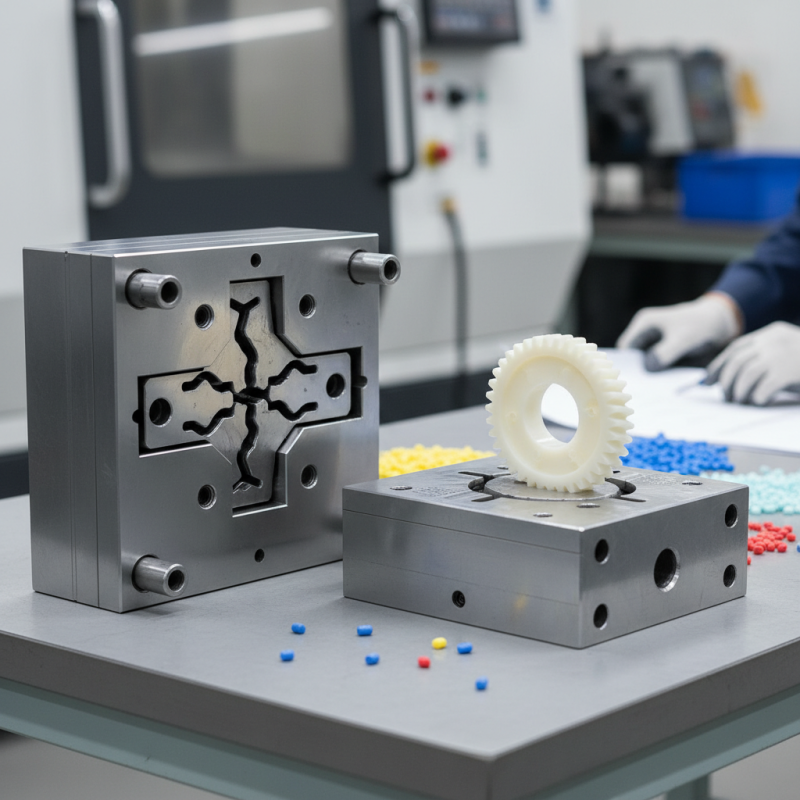
Choosing the right Plastic Injection Mold is crucial for any manufacturing process. A well-made mold can ensure high-quality production and reduce costs. The process may seem simple, yet many factors come into play.

First, consider the material of the mold. Different plastics require specific mold materials for optimal performance. Steel molds are durable but costly. Aluminum molds are cheaper but may not last as long. Each option comes with its own set of advantages and limitations.

Next, think about the mold design. Complex designs may lead to increased production times and costs. A simple design often works better. Finally, evaluate the manufacturer’s experience. Not all manufacturers deliver the same quality. Reflect on these factors carefully to avoid possible mistakes in your choice.

Ultimate Tips for Choosing the Best Plastic Injection Mold?

Understanding the Basics of Plastic Injection Molding

Plastic injection molding is a critical process in manufacturing. It involves creating parts by injecting molten plastic into a mold. This method allows for high efficiency and precision in producing complex shapes. According to industry reports, the global plastic injection molding market is projected to reach $350 billion by 2027. This growth highlights the importance of understanding the process behind it.

When selecting a plastic injection mold, consider the material carefully. Different plastics have unique properties. For instance, ABS offers strength, while PVC provides flexibility. Ensuring compatibility with your project requirements is crucial.

Tip: Evaluate the mold's design for functionality. A well-designed mold can minimize defects. It can streamline production. Efficient molds reduce costs over time.

Additionally, maintenance plays a vital role. Poorly maintained molds can lead to inconsistencies. Regular checks can prevent costly downtime. Remember, even minor mold flaws can result in significant production loss. Focus on sourcing molds that allow for easy maintenance and inspection.

Key Factors to Consider When Selecting a Plastic Injection Mold

Choosing the right plastic injection mold involves examining key factors. Size and complexity play vital roles. A mold's design must align with the product's specifications. Consider the type of plastic that will be used. Different materials can affect both cost and performance. It's crucial to assess how these factors impact production efficiency.

Durability is another significant consideration. The mold should withstand the pressure and temperature of the injection process. A robust design can prevent damages and prolong mold life. However, this durability often comes at a higher price. It's important to find a balance between cost and longevity.

Additionally, think about the lead time for production. Some manufacturers can deliver faster than others. But rushing may lead to mistakes or compromised quality, so it's essential to keep this in mind. Keep in mind your project's timeline. All these factors contribute to making a well-informed decision.

Material Selection: Choosing the Right Resin for Your Project

Choosing the right resin for your plastic injection mold is critical. The material you select impacts your project's strength, durability, and aesthetics. Thermoplastics, for example, can be reshaped with heat. They are versatile and come in various types. The choice between a thermoplastic and thermosetting plastic can seem daunting.

Consider the environment where your product will be used. Harsh conditions may require specialized resins to ensure longevity. For instance, a product exposed to UV light needs a UV-resistant resin. Think about the colors and finishes as well. Some resins offer vibrant colors, while others are more muted. But, this selection can also introduce challenges. Some resins may warp during the cooling process, while others might not bond well.

Testing different resins can be beneficial, but it can also be unpredictable. You might find that a resin that looks perfect on paper performs poorly in real-life scenarios. It is essential to conduct thorough trials. Evaluate each resin's performance against your project requirements. This process can feel time-consuming. However, the right choice can lead to exceptional results in your final product.

Evaluating Mold Design: Shapes, Tolerances, and Complexity

Evaluating mold design is crucial in plastic injection molding. The shapes of molds directly influence the complexity and functionality of the final product. Consider the geometry of the designed part. More intricate designs can lead to challenges in production. Complex shapes may require advanced molding techniques and machinery, increasing costs. Simplicity might often yield better results.

Tolerances are another critical factor. They determine how precisely the parts will fit together. Tight tolerances can enhance functionality but often come with a higher failure rate. Testing different tolerance levels helps find a balance. Designers should reflect on past projects. Sometimes, a seemingly minor detail can cause significant issues down the line. Understanding the trade-offs is essential for achieving desired quality and cost-effectiveness.

Ultimate Tips for Choosing the Best Plastic Injection Mold

This chart illustrates the evaluation factors for plastic injection mold design, showcasing the importance of shapes, tolerances, and complexity in the selection process.

Cost Considerations: Balancing Quality and Budget in Mold Selection

Choosing the right plastic injection mold requires a careful balance of quality and cost. Many manufacturers face budget constraints. However, opting for the cheapest option can lead to problems later. Poor quality molds may cause production delays. They often require more maintenance and repairs.


Consider the long-term implications of your choice. A well-made mold may cost more upfront, but it often leads to better products. Think about the materials and design intricacies. Higher-quality molds can improve the precision of your products. This leads to fewer rejections and waste. Yes, the initial investment is higher, but the overall savings can be significant.


Evaluate the total cost of ownership for the mold. This includes production cycle times and defect rates. There is often more than just the sticker price at play. Poor molds can lead to frustrations and increased stress. Weighting quality against budget is critical. Make decisions that serve your business needs, both short-term and long-term.

User Center Features Promotion

Learn useful insights, save and exchange knowledge easily with MyDobot User Center

Establish Contact with Dobot Experts

Take part in automation transformation. Let’s work together towards a more efficient tomorrow.

Contact Information

Virtual Controller Application

We provide a free trial application for the robot cloud virtual controller. Fill in the following information and we will issue you a 12-hour license.

Contact Information

File sent

The related product information has been sent, please kindly check your email.

Join Dobot+ Ecosystem to Forge Deeper Partnerships

Dobot sincerely invites robotics software companies and hardware manufacturers to Dobot+. Together we can offer best in class solutions to end users in various industries.

Contact Information

Contact Form

Home

Virtual Controller Application

Top