Providing professional services to meet various customer needs and qualified technical support to answer multiple questions.
You ask - we answer.
What is a Rubber Pump Impeller and How Does It Work?
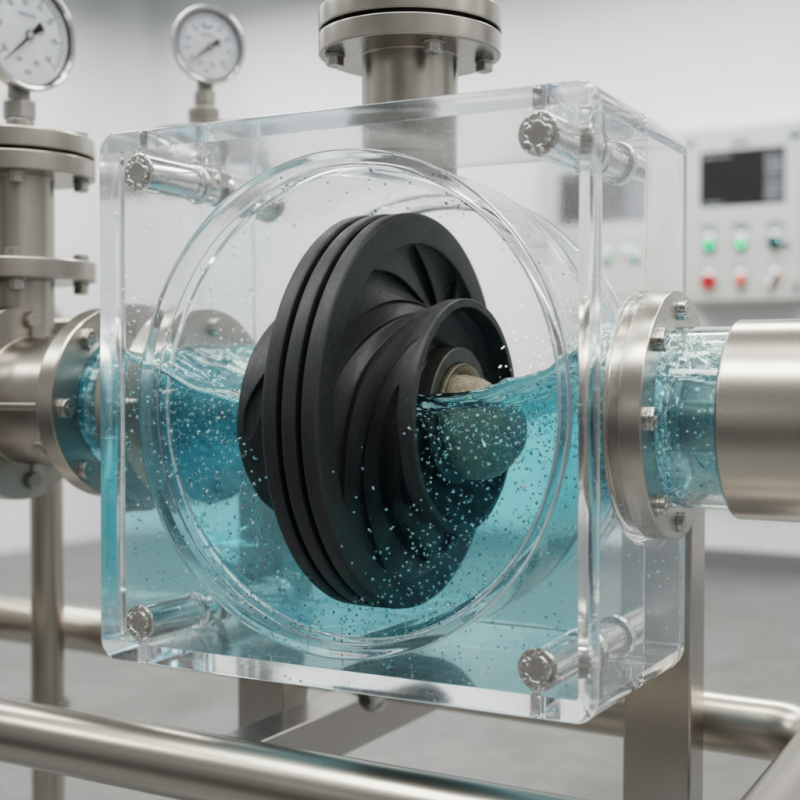
A Rubber Pump Impeller plays a crucial role in various pumping systems. This component helps move fluids efficiently. Unlike traditional metal impellers, rubber impellers offer unique advantages. They are flexible, resistant to wear, and can handle solids without damage.
The design of a Rubber Pump Impeller affects its performance significantly. For instance, the rubber material can absorb shock and vibrations. This quality often leads to a longer lifespan when compared to metal counterparts. However, it's vital to choose the right type of rubber for specific applications. Not all rubbers are created equal, and some may degrade faster than others.
Understanding how a Rubber Pump Impeller operates is essential for many industries. Effective fluid movement is critical in manufacturing, agriculture, and wastewater management. Yet, not all systems utilize this component effectively. Some may overlook maintenance needs, leading to performance issues. Recognizing these flaws can help optimize efficiency and extend the service life of the impeller.
A rubber pump impeller is a crucial component in various pumping systems. It is typically made of durable rubber or elastomer materials. These materials help provide a flexible yet strong structure that enhances the impeller's performance. Unlike traditional metal impellers, rubber impellers resist corrosion and wear, making them ideal for handling abrasive or corrosive fluids.
According to industry reports, rubber impellers offer a significant operational lifespan. They can last up to 25% longer than their metal counterparts in certain conditions. This durability often leads to reduced maintenance costs. The design and material choices allow for efficient fluid movement, minimizing turbulence and energy loss.
Tips: Regular inspection of rubber impellers is key. Look for signs of wear, such as cracks or deformities. Replacing worn-out impellers promptly ensures optimal performance. Also, remember that the operating conditions, like temperature and type of fluid, can greatly affect the impeller's lifespan. Keeping a record of these factors can help predict when replacements will be necessary.
The Structure and Material Composition of Rubber Impellers
Rubber impellers are essential components in various pumping applications. Their structure directly influences efficiency and performance. Typically, these impellers have a flexible design. This flexibility allows for better sealing and reduces wear. Also, they are manufactured using a mix of materials. Commonly used materials include natural rubber and synthetic variants. This combination enhances durability and performance.
The shape of a rubber impeller affects fluid flow. A well-designed impeller moves liquids smoothly. The curvature of the blades is vital. If the angle is too steep, it may cause cavitation. Cavitation can lead to damage and inefficiency. Additionally, the thickness of the rubber plays a role. Thinner blades may flex too much, while thicker blades can create resistance. Finding the right balance is important.
In practical use, rubber impellers show wear over time. This wear can impact performance. Regular inspections are necessary. Tiny cracks may form on the surface. Addressing these issues early can extend the life of the impeller. Understanding the material composition allows for better maintenance decisions. Choosing the right type of rubber can significantly improve outcomes in various environments.
What is a Rubber Pump Impeller and How Does It Work? - The Structure and Material Composition of Rubber Impellers
Dimension
Description
Material Composition
Natural rubber, synthetic rubber, additives for durability
Common Applications
Water treatment, chemical processing, food and beverage industries
Creates pressure differential to move liquid through pump system
Maintenance Recommendations
Regular inspections, cleaning, and replacement of worn impellers
Size Variability
Available in multiple sizes to fit different pump designs
How Rubber Impellers Function in Fluid Dynamics
Rubber impellers play a crucial role in fluid dynamics by optimizing the movement of liquids in various applications. They are designed to create a specific flow pattern and are widely used in pumps, mixers, and compressors. The materials used in rubber impellers contribute to their flexibility and durability, allowing them to handle various fluid types, including corrosive and viscous liquids.
When analyzing the efficiency of rubber impellers, studies show that they can improve pump performance by as much as 40%. This is due to their ability to accommodate faster rotational speeds without compromising structural integrity. The tapered design of rubber impellers reduces turbulence, enhancing flow rates and minimizing energy consumption. However, manufacturers often face challenges with wear and tear over time, which can affect their lifespan.
Tip: Regular maintenance and inspection can prolong the life of rubber impellers. Check for any signs of wear, especially around the edges.
Despite their advantages, rubber impellers do have limitations. For instance, they may not perform well at extreme temperatures, which can deform the material. Additionally, improper sizing or installation can lead to inefficiencies and increased operational costs. Understanding these factors is essential for maximizing performance and ensuring optimal fluid dynamics in various systems.
Tip: Always consider the specific application requirements when selecting an impeller type. This can prevent costly mistakes and downtime.
Applications of Rubber Pump Impellers in Various Industries
Rubber pump impellers play a crucial role across various industries. Their flexibility and durability make them ideal for handling a diverse range of fluids. In the food and beverage sector, for example, these impellers are used in processing and transporting liquid ingredients. Their resistance to abrasion helps maintain the quality of what’s being pumped.
In the chemical industry, rubber pump impellers are often employed due to their resistance to corrosive substances. They help in ensuring safe and efficient transfer of hazardous materials. However, one must consider the compatibility of rubber with specific chemicals. Not all rubber materials are suitable for every application. This can lead to unexpected failures if not properly assessed.
Water management facilities also benefit from rubber impellers. They help in draining and distributing water effectively. However, the wear and tear can be a concern. Regular inspection is necessary to avoid potential breakdowns. These impellers provide versatility and efficiency but require careful handling and maintenance to perform optimally.
Advantages and Limitations of Using Rubber Impellers
Rubber impellers are popular in various applications due to their unique properties. They provide a flexible solution for pumping liquids in different environments. One key advantage is their resistance to corrosion. This makes them ideal for handling aggressive fluids. They can also minimize damage to sensitive materials during operation. Their design allows for efficient movement of fluids, which enhances overall performance.
However, rubber impellers have some limitations. They may not withstand extreme temperatures as well as metal options. Over time, they can wear down, requiring replacement. This can lead to increased maintenance costs. In some cases, they might not be suitable for high-pressure applications. Users should consider the specific requirements of their system before making a decision.
Choosing rubber impellers involves weighing pros and cons. While they offer flexibility and corrosion resistance, their durability and performance in certain conditions can be concerning. Understanding the material properties and their implications is essential for optimal usage. Each application is unique, and careful consideration is necessary to avoid potential pitfalls.
Learn useful insights, save and exchange knowledge easily with MyDobot User Center
Establish Contact with Dobot Experts
Take part in automation transformation. Let’s work together towards a more efficient tomorrow.
Contact Information
Virtual Controller Application
We provide a free trial application for the robot cloud virtual controller. Fill in the following information and we will issue you a 12-hour license.
Contact Information
File sent
The related product information has been sent, please kindly check your email.
Loading, please wait...
Join Dobot+ Ecosystem to Forge Deeper Partnerships
Dobot sincerely invites robotics software companies and hardware manufacturers to Dobot+. Together we can offer best in class solutions to end users in various industries.