Providing professional services to meet various customer needs and qualified technical support to answer multiple questions.
You ask - we answer.
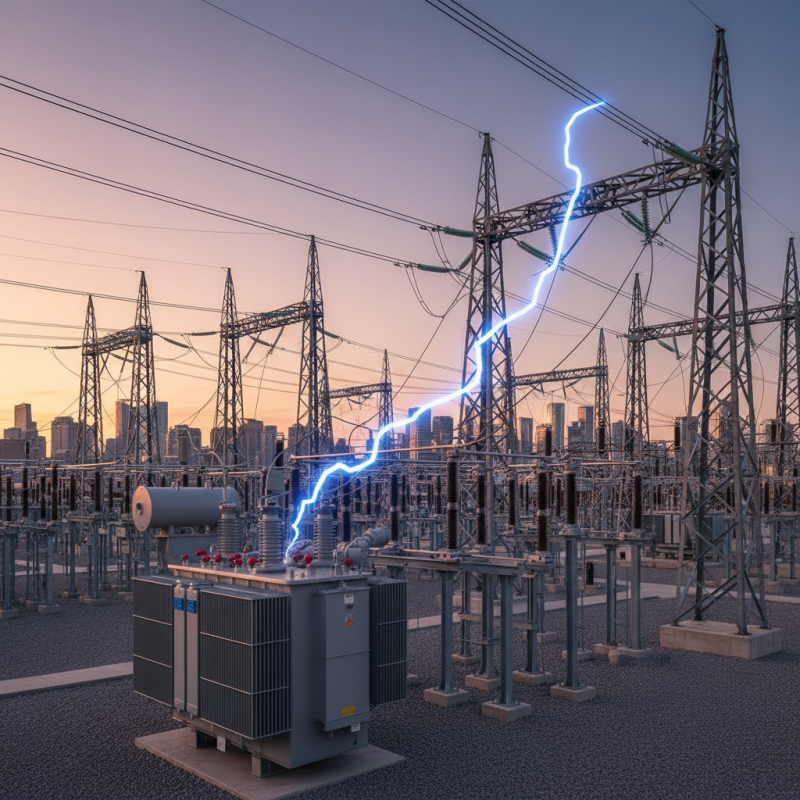
What Are the Key Components of an Electrical Substation?
An Electrical Substation plays a crucial role in the power distribution system. It transforms high-voltage electricity from transmission lines to a lower voltage for consumer use. According to the U.S. Energy Information Administration, there are over 55,000 substations across the United States alone, reflecting their importance in our energy infrastructure.
These facilities include key components like transformers, circuit breakers, and busbars. Each element serves a specific function, ensuring efficient power flow while maintaining safety. However, many older substations face challenges related to outdated technology. This situation raises concerns about reliability and efficiency in meeting modern energy demands.
The evolution of smart grid technology highlights the need for upgrades in electrical substations. Proper maintenance and innovation are essential to ensure these facilities operate optimally. Yet, investment in such upgrades often lags, questioning whether our infrastructure can keep pace with future energy needs.
Key Functions of an Electrical Substation in Power Distribution
Electrical substations play a crucial role in power distribution networks. They serve as key nodes that help manage the flow of electricity from generation to consumers. One main function is voltage transformation. High voltages generated at power plants must be lowered for safe distribution to homes and businesses. This is achieved using transformers within the substation.
Another important function is switching. Substations can route electricity to different lines based on demand. This flexibility ensures that power can be redirected in emergencies or during maintenance. Additionally, substations monitor electrical flow and quality. They utilize advanced meters and sensors, providing real-time data essential for maintaining a stable network.
Despite their importance, there can be challenges in substation management. Equipment failures can occur, leading to outages. Human error in operations may also disrupt power distribution. Continuous training and updates in technology can help mitigate these risks. Realizing these potential shortcomings is vital for improving overall system reliability.
Essential Components: Transformer's Role in Power Conversion
Transformers are critical to the operation of electrical substations. They serve to convert voltage levels, ensuring that electricity is transmitted efficiently over long distances. According to the U.S. Energy Information Administration, transformers can help reduce transmission losses by up to 30%, making them essential for energy efficiency. The ability to step up voltage for high-voltage transmission minimizes energy waste and maximizes the delivery of power to urban centers.
However, transformers are not without challenges. Over time, they can suffer from insulation breakdown, overheating, and even mechanical failures. The International Energy Agency reports that regular maintenance can prevent up to 95% of transformer failures. Investing in advanced monitoring technologies can help identify issues early, yet many facilities still rely on outdated maintenance schedules. This gap in modern practices highlights a significant area for improvement in substation management.
The environmental impact of transformers is also a growing concern. Many transformers contain mineral oil, which poses environmental risks if leakage occurs. In response, some utilities are transitioning to environmentally friendly alternatives, like esters. Despite these advancements, ignorance about maintenance and environmental responsibilities continues to persist in the industry. Addressing these issues is vital for the sustainable future of power distribution.
Switchgear and Circuit Breakers: Ensuring Electrical Safety
Switchgear and circuit breakers play a crucial role in electrical substations. They ensure electrical systems operate safely and efficiently. Switchgear connects different segments of an electrical system. Its main job is to control, protect, and isolate electrical equipment. This action helps prevent damage during faults. When lightning strikes or equipment malfunctions, switchgear steps in. It manages these unexpected challenges.
Circuit breakers are essential companions to switchgear. They automatically cut off power during faults. This quick response minimizes the risk of fires or equipment damage. However, circuit breakers have limitations. They can wear out over time and may malfunction. Regular maintenance is vital. Operators must test and inspect these devices frequently.
The reliability of these systems is paramount for safety. Yet, human error can also occur. Sometimes, operators may overlook faults or maintenance schedules. This oversight can lead to severe consequences. Training and education are crucial to ensure effective use. Operators should understand the complexities involved. This knowledge can help in making informed decisions.
Busbars and Connectors: Facilitating Power Flow and Distribution
In an electrical substation, busbars and connectors play a crucial role in facilitating power flow and distribution. Busbars serve as the backbone, transmitting electricity from the incoming lines to various outgoing circuits. These conductive bars are essential for managing high current levels efficiently. According to a report by the International Energy Agency, the global demand for electricity is expected to rise significantly, making the reliability of busbars even more critical.
Connectors, on the other hand, ensure the safe link between components and equipment. They allow for flexibility in design and ease of maintenance. A study by the Electric Power Research Institute highlighted that nearly 30% of power interruptions are due to connector failings. Thus, selecting high-quality and robust connectors is paramount for maintaining uninterrupted service.
However, not all installations are flawless. Issues such as thermal expansion and corrosion can lead to performance inefficiencies. Observations indicate that over 20% of substations have tripped circuits due to connector problems. This reveals an ongoing challenge in ensuring reliability and longevity in electrical infrastructure. Engineers must continually assess components to enhance performance while addressing these common pitfalls.
Control Systems: Monitoring and Managing Substation Operations
Control systems are crucial in electrical substations. They monitor and manage operations seamlessly. These systems help maintain consistent power flow and enhance reliability. By using advanced sensors and data analytics, operators can track performance in real time.
Tips for choosing control systems: focus on scalability. Your system should grow with your needs. Ensure it can integrate with existing infrastructure and technology. Keeping this in mind can prevent costly upgrades later.
Another important aspect is cybersecurity. Substations are vulnerable to attacks. A robust control system should have built-in security features. Regular software updates are essential. This ongoing maintenance can deter potential threats and ensure safe operations. Aim for a solution that prioritizes both efficiency and security.
Learn useful insights, save and exchange knowledge easily with MyDobot User Center
Establish Contact with Dobot Experts
Take part in automation transformation. Let’s work together towards a more efficient tomorrow.
Contact Information
Virtual Controller Application
We provide a free trial application for the robot cloud virtual controller. Fill in the following information and we will issue you a 12-hour license.
Contact Information
File sent
The related product information has been sent, please kindly check your email.
Loading, please wait...
Join Dobot+ Ecosystem to Forge Deeper Partnerships
Dobot sincerely invites robotics software companies and hardware manufacturers to Dobot+. Together we can offer best in class solutions to end users in various industries.