Providing professional services to meet various customer needs and qualified technical support to answer multiple questions.
You ask - we answer.
What is hexagonal wire mesh and its uses in construction?
hexagonal wire mesh is an essential element in modern construction. This mesh consists of interconnected hexagonal shapes, offering strength and versatility. Engineers and architects favor hexagonal wire mesh for various applications, including reinforcement in concrete structures. Its unique design allows for even distribution of load, enhancing the stability of walls and pavements.
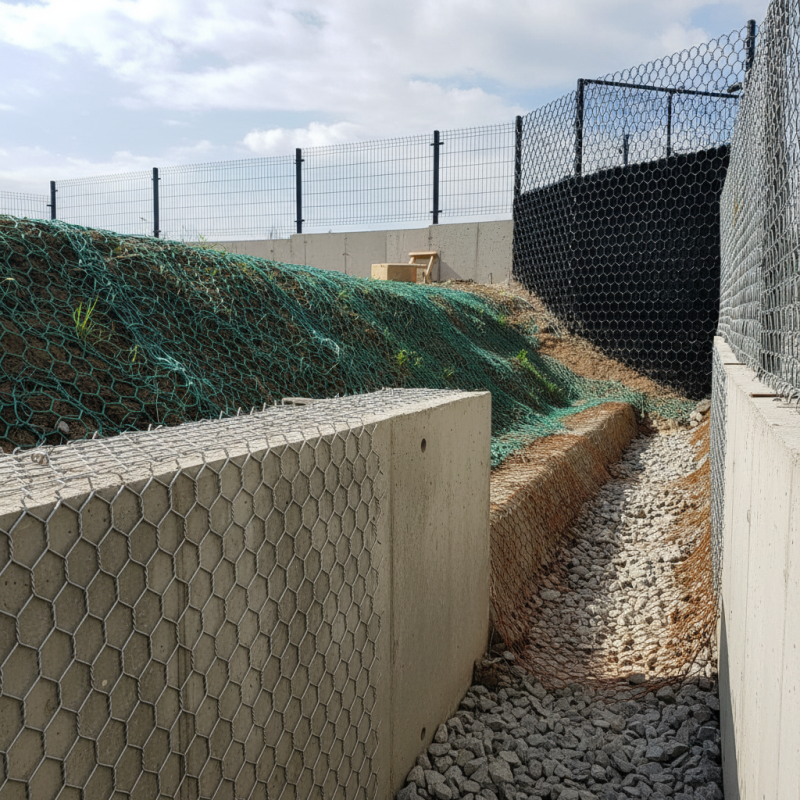
In construction, hexagonal wire mesh serves multiple purposes. It is commonly used in fencing, drainage systems, and erosion control. The mesh effectively retains soil and prevents erosion in landscaping projects. However, not all uses are ideal. The strength can be compromised when overloaded or incorrectly installed.
Consider the aesthetics of hexagonal wire mesh as well. It can add a distinct visual appeal to structures. Yet, some may view its industrial look as unappealing. The choice to use this material often requires careful thought and planning, blending both function and form.
Definition and Characteristics of Hexagonal Wire Mesh
Hexagonal wire mesh is a unique type of fencing made from interconnected wires. Its key characteristic is the hexagonal shape of the openings, which offers both strength and flexibility. This design makes it ideal for a variety of applications in construction. The wire is typically galvanized, providing resistance to rust and extending its lifespan significantly.
In construction, hexagonal wire mesh is commonly used for reinforcing concrete. It helps distribute loads evenly, enhancing the durability of structures. Additionally, its lightweight nature allows for easy handling during installation. Many builders choose it for creating animal enclosures or as a protective barrier around gardens. The mesh can also be shaped to fit various needs, making it versatile.
However, it's worth noting that while hexagonal wire mesh is strong, it is not indestructible. In some cases, it may require additional support or treatment to withstand heavy loads or extreme weather conditions. Using it without thorough planning might lead to problems. Regular inspection and maintenance are necessary to ensure its effectiveness over time. Consider these aspects when deciding on using hexagonal wire mesh in your next project.
What is hexagonal wire mesh and its uses in construction? - Definition and Characteristics of Hexagonal Wire Mesh
Characteristic
Description
Material
Typically made from galvanized steel or stainless steel wire.
Mesh Shape
Hexagonal shape, allowing for flexible installation and durability.
Size
Common sizes range from 1/2 inch to 6 inches between the points of the hexagons.
Uses in Construction
Used for reinforcement in concrete, as fencing for gardens, and erosion control.
Advantages
Resistant to rust, strong tensile strength, and provides excellent drainage.
Installation
Can be easily cut, bent, and shaped to fit various application needs.
Common Materials Used for Hexagonal Wire Mesh
Hexagonal wire mesh is commonly used in construction for various applications. It is made from thin wire strands twisted together in a hexagonal pattern. This design provides strength and flexibility. The mesh is lightweight yet durable, making it a preferred choice for many projects.
When it comes to materials, galvanized steel is a popular option for hexagonal wire mesh. It resists rust and corrosion well, prolonging its lifespan. Another material that sees frequent use is stainless steel. This offers even greater resistance to corrosion, especially in harsh environments.
Plastic-coated wire mesh is also available. It provides added protection and vibrant color options for aesthetic appeal.
The choice of material can impact the mesh’s performance. Each type has its pros and cons. For instance, while galvanized steel is cost-effective, it might not withstand heavy loads as well as stainless steel. Selecting the right material requires careful consideration. It's essential to weigh factors like budget, needed strength, and environmental conditions before making a decision.
Applications of Hexagonal Wire Mesh in Construction Projects
Hexagonal wire mesh is an essential material in construction. Its unique shape provides excellent structural integrity. Builders often use it for various applications, making it a versatile choice. According to industry reports, the demand for hexagonal wire mesh is growing. This demand is driven by its effective use in reinforcement and fencing.
In construction projects, hexagonal wire mesh serves multiple purposes. It is frequently used in retaining walls and concrete reinforcement. The mesh helps distribute loads evenly, preventing cracks. For example, a study revealed that hexagonal mesh can enhance the tensile strength of concrete by up to 30%. This improvement can reduce long-term repair costs.
Additionally, hexagonal wire mesh plays a significant role in erosion control. It is used on slopes and embankments to hold soil in place. Construction teams have found that it can reduce soil erosion by 60%. This data highlights its importance in sustainable construction practices. However, not all projects utilize this material effectively. Some overlook its benefits, leading to potential structural failures.
Advantages of Using Hexagonal Wire Mesh in Structural Support
Hexagonal wire mesh is a versatile material in construction. Its unique shape allows for efficient distribution of loads. This feature is vital for structural support. According to industry reports, using hexagonal wire mesh can increase stability by up to 30%. This benefits various applications, including retaining walls and fencing.
One significant advantage is its lightweight nature. Hexagonal wire mesh is easier to handle. This reduces labor costs on job sites. Construction professionals report that project timelines can be shortened. The material is also resistant to corrosion. This longevity translates to lower maintenance costs over time.
Tips: When selecting hexagonal wire mesh, consider the gauge. Thicker wire offers better strength but may be heavier. Ensure you assess your project's specific needs. Using an appropriate mesh size can improve effectiveness. Regularly inspect for wear and tear. Balancing cost and quality is crucial for successful projects.
Installation and Maintenance Considerations for Hexagonal Wire Mesh
Hexagonal wire mesh is popular in various construction applications. Installing it effectively requires careful planning. Workers must ensure the mesh is taut and aligned. Any sagging can lead to structural issues or inefficient function. When cutting the mesh, sharp edges may appear, posing safety risks. This aspect often gets overlooked during installation.
Regular maintenance is essential for hexagonal wire mesh. Inspecting for rust or damage is crucial. Environmental factors can lead to deterioration. A simple visual check can aid in identifying problems early. Repairs should be made promptly to prevent further damage. Using protective coatings can extend the mesh's lifespan. However, oversight in maintenance often happens, leading to bigger issues down the line. Keeping a maintenance schedule can help mitigate these risks. Proper care ensures that hexagonal wire mesh continues to serve its intended purposes effectively.
Usage Distribution of Hexagonal Wire Mesh in Construction
Learn useful insights, save and exchange knowledge easily with MyDobot User Center
Establish Contact with Dobot Experts
Take part in automation transformation. Let’s work together towards a more efficient tomorrow.
Contact Information
Virtual Controller Application
We provide a free trial application for the robot cloud virtual controller. Fill in the following information and we will issue you a 12-hour license.
Contact Information
File sent
The related product information has been sent, please kindly check your email.
Loading, please wait...
Join Dobot+ Ecosystem to Forge Deeper Partnerships
Dobot sincerely invites robotics software companies and hardware manufacturers to Dobot+. Together we can offer best in class solutions to end users in various industries.