How to Choose the Best Hydraulic Pile Driver Machine?
Choosing the best hydraulic pile driver machine is crucial for construction projects. With many available models, decision-making can be overwhelming. Factors such as efficiency, durability, and reliability must be considered. Each project has unique requirements that dictate the choice of equipment.
An ideal hydraulic pile driver machine should offer the best performance for your specific needs. High-quality machines maximize productivity and minimize downtime. It’s essential to assess the machine's specifications, including its power and operating capabilities. Look for models that provide flexibility for various soil conditions and pile types.
Understanding your project's demands is key. Consider consulting experts who can provide insights into machine selection. The right choice can enhance project efficiency and ensure safety. Be mindful of your budget and maintenance costs. Striking a balance can lead to long-term benefits and improved results.
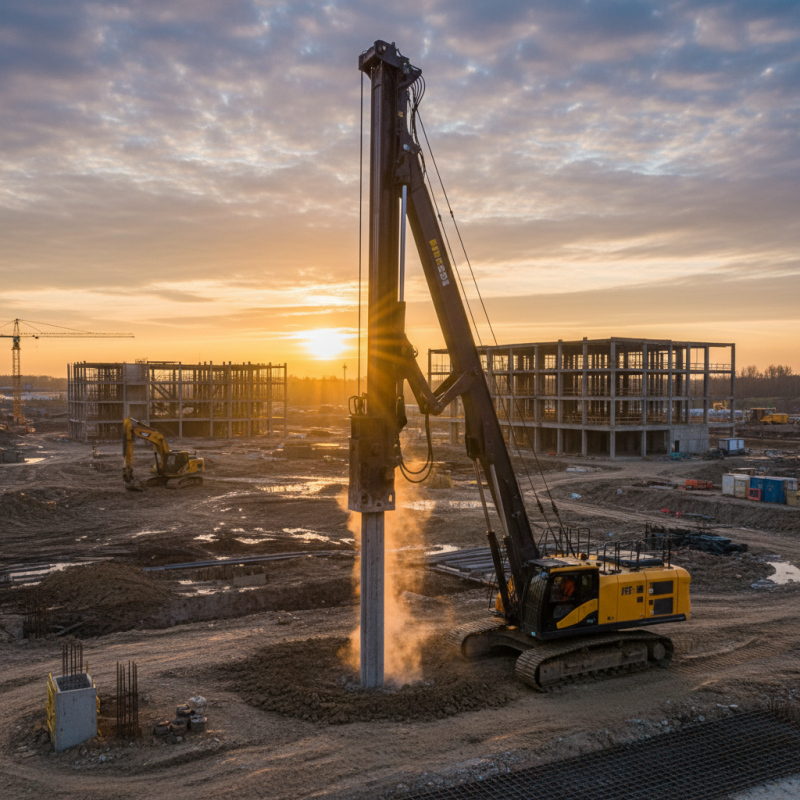
Understanding the Basics of Hydraulic Pile Driver Machines
Hydraulic pile driver machines are essential for foundation construction. They are designed to drive piles into the ground, providing structural support. Understanding their basics is critical for selecting the right machine. These machines use hydraulic systems to generate force, making pile installation efficient. According to a report by the International Foundation Engineering Association, hydraulic pile drivers can increase installation speed by up to 40% compared to traditional methods.
There are several types of hydraulic pile drivers: drop hammers, vibratory drivers, and oscillatory drivers. Each type has unique applications and advantages. For example, vibratory drivers are ideal for continuous piling in more cohesive soil types. Their effectiveness varies based on soil conditions and pile type. A study from the Construction Equipment Association indicates that selecting the wrong type can lead to installation difficulties, increased costs, and project delays.
Engineers emphasize the importance of evaluating specific project needs. It’s crucial to consider factors like soil composition, pile length, and intended load. Misjudging these aspects can lead to structural failures. A balanced approach requires a deep understanding of local soil conditions and project specifications. The right hydraulic pile driver can significantly impact the outcome of construction projects, but knowledge and experience in selecting the appropriate machine are equally important.
Key Factors to Consider When Selecting a Hydraulic Pile Driver
Choosing the right hydraulic pile driver machine is crucial for construction projects. Several key factors influence this selection. First, consider the machine's capacity. A hydraulic pile driver ideally should handle the specific load requirements of your project. Research shows that machines with capacities exceeding 50 tons are often preferred for more demanding applications.
Another critical factor is mobility. A machine that can easily maneuver on various terrains is essential. Many projects require transportation within limited spaces. Hydraulic pile drivers with compact designs can operate efficiently in urban areas. Also, assess the technology used in the machine. Modern units often feature remote monitoring systems, enabling real-time data tracking. This capability leads to better management and reduces potential downtime.
Maintenance is another aspect not to overlook. Regular upkeep is necessary for optimal performance. Data indicates that equipment failures often stem from neglect. Having access to quality service and spare parts increases reliability. Additionally, check for user-friendly controls. Operators should feel comfortable handling the equipment. Comfort leads to improved safety and productivity on the site. Ultimately, making an informed choice will enhance project efficiency and outcomes.
Types of Hydraulic Pile Drivers and Their Applications
When selecting a hydraulic pile driver, it's crucial to understand the different types and their applications. Hydraulic pile drivers are typically divided into three main categories: impact drivers, vibratory drivers, and rotary drivers. Each type has specific use cases depending on the ground conditions and project requirements.
Impact drivers, as reported by the International Society for Soil Mechanics, are favored for their efficiency in dense soils. They deliver high energy to drive piles quickly, making them ideal for large construction projects. Meanwhile, vibratory drivers are beneficial for projects in soft soil. They rely on hydraulic vibrations to penetrate the ground, reducing the risk of damage to the surroundings. Research shows that about 30% of all pile installations in urban areas now utilize vibratory drivers due to their minimal noise levels.
Rotary drivers offer a unique advantage when dealing with very hard materials. Their ability to penetrate rock formations is unmatched. However, they can often result in higher costs and require more maintenance. Not all projects benefit from this type. Regular assessments of site conditions and machinery capabilities are essential to avoid unnecessary expenses. Overall, understanding the distinct applications of each type helps ensure that you choose the best hydraulic pile driver for your needs.
Types of Hydraulic Pile Drivers and Their Applications
Evaluating Performance Metrics for Hydraulic Pile Drivers
When selecting a hydraulic pile driver, evaluating performance metrics is crucial. An effective hydraulic pile driver must demonstrate reliability and efficiency. Key metrics include energy transfer, stroke length, and driving speed. A machine with high energy transfer ensures that piles penetrate with less resistance. Stroke length impacts the depth of piles, influencing the overall project duration.
Operating speed is another vital aspect. Faster machines can enhance productivity but may sacrifice control or precision. It's important to find a balance between speed and accuracy. Each project has unique requirements. For example, soil conditions may demand different performance levels. Operators should assess their specific needs before selecting a machine.
Additionally, the machine's hydraulic system plays a critical role. A robust system contributes to smoother operation and reduces downtime. Both operator experience and maintenance history matter. Machines must be evaluated not just on performance but also on their reliability over time. Ensuring that operators receive adequate training can minimize mistakes and improve outcomes.
How to Choose the Best Hydraulic Pile Driver Machine? - Evaluating Performance Metrics for Hydraulic Pile Drivers
| Performance Metric | Description | Example Value |
| Driving Force | The maximum force the pile driver can apply during installation. | 300 kN |
| Energy per Stroke | The amount of energy transferred to the pile during each stroke. | 25 kJ |
| Stroke Length | The distance the hammer travels vertically before impact. | 2.5 m |
| Weight | The total weight of the hydraulic pile driver. | 8500 kg |
| Operating Pressure | The hydraulic pressure at which the machine operates efficiently. | 250 bar |
| Cycle Time | The time it takes to complete one full cycle of operation. | 12 seconds |
Budget Considerations and Cost-Effective Options for Buyers
When selecting a hydraulic pile driver, budget plays a crucial role. Prices vary significantly among models, so understanding your financial limits is key. A lower budget may limit your options, but can still yield effective machines. You may find good quality used equipment that can operate efficiently, saving money without sacrificing performance.
Cost-effective choices often involve evaluating the essential features needed for your projects. Consider the machine's capacity, power, and durability. Basic machines might not have all the bells and whistles, but they can get the job done. New technology may be tempting, yet older models can provide reliability and satisfaction. Reflect on your project's scale and frequency of use before committing.
Investing in technology brings potential risks. Emerging options might promise better efficiency, but they often come with a steeper price. Researching various models strategically allows for a better-informed decision. Keep an eye out for customer reviews and expert opinions. This information will provide insight into long-term value versus initial price.
It is important to weigh cost against the expected performance over time.


 Metal Processing
 Automotive
 Food & Beverage
 Chemical
 Consumer Electronics
 Healthcare
 New Retail
 Semiconductor
 Welding
 Palletizing
 Loading and Unloading
 Assembly
 Bin Picking
 Gluing
 Insertion
 Polishing
