Why Choose a Slitter Cutter Machine for Your Manufacturing Needs?
In today's competitive manufacturing landscape, efficiency and precision are paramount. The Slitter Cutter Machine stands out as a vital tool for achieving these goals. With the ability to cut various materials, it enhances productivity. Manufacturers can streamline their processes and produce high-quality products.
Utilizing a Slitter Cutter Machine can significantly reduce waste. It delivers clean, accurate cuts that minimize errors. This precision is vital in industries like packaging and textiles, where quality cannot be compromised. However, choosing the right machine requires careful consideration. Not all slitter cutters are created equal.
Investing in a Slitter Cutter Machine comes with challenges. Some models may be too complex to operate efficiently. Others might require frequent maintenance, leading to downtime. It is important to weigh these factors against the potential benefits. A thoughtful approach ensures that your manufacturing needs are met effectively.
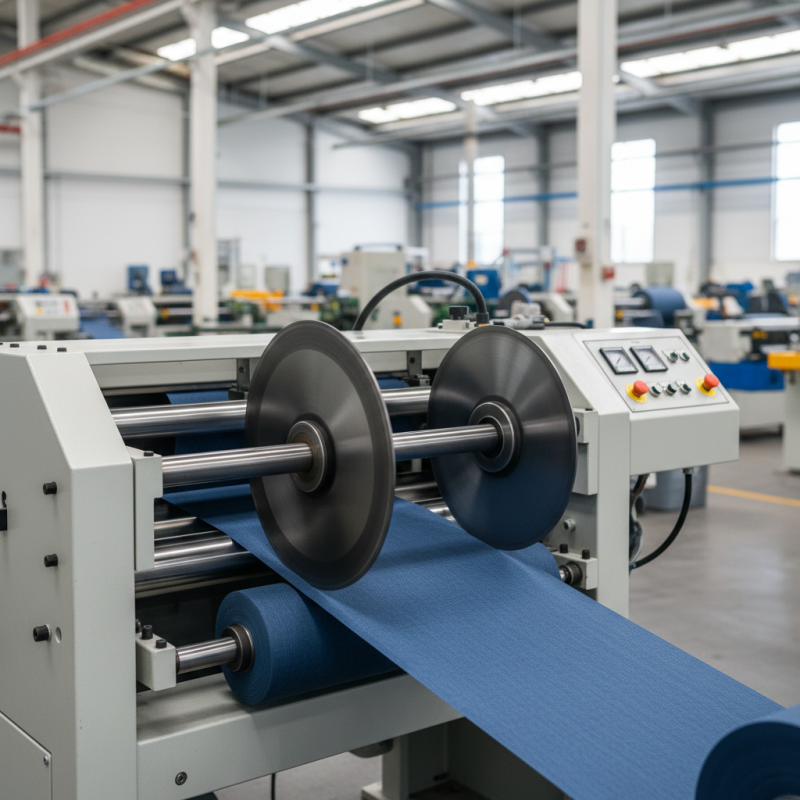
Benefits of Using Slitter Cutter Machines in Modern Manufacturing
In modern manufacturing, slitter cutter machines are integral tools. They offer precise cutting solutions for various materials. These machines can handle rolls of paper, plastic, and other flexible materials. The efficiency is impressive, which significantly reduces production time. However, it's crucial to understand their limits and maintenance needs.
One key benefit is the high level of accuracy they provide. This is essential when creating small components. Moreover, they can minimize waste. Fewer errors mean more cost savings. Each cut can be adjusted for thickness and width, giving manufacturers flexibility. Yet, improper use may lead to increased scrap rates. That’s a reality some face in production lines.
Durability is another appealing aspect. Slitter cutter machines are built for heavy-duty tasks. They withstand rigorous use and require fewer replacements. Still, operators need adequate training. Without proper handling, the machines might malfunction, leading to downtime. This factor requires careful consideration during the purchasing process.
Key Features of Slitter Cutter Machines: Enhancing Efficiency and Precision
Slitter cutter machines are essential in many manufacturing processes. They provide remarkable efficiency and precision. According to industry reports, these machines can improve production rates by up to 40%. This boost is crucial for manufacturers aiming to meet high demand while maintaining quality.
Key features of slitter cutter machines include adjustable blade settings. This allows for customization based on material thickness and type. Operators can achieve precise cuts, reducing waste and enhancing product uniformity. A recent analysis showed that companies using advanced slitting technology reported a 20% decrease in material waste.
Efficiency isn't just about speed. It's also about reliability. Some companies have noted equipment failure as a common challenge. Routine maintenance is necessary but often neglected. This can lead to increased downtime. Investing in a dependable slitter cutter machine can mitigate such issues. It’s a trade-off that needs careful consideration. Operators should be aware of the long-term costs associated with maintenance versus initial investment.
Cost-Effectiveness: Analyzing ROI for Slitter Cutter Machines
When considering a slitter cutter machine, the cost-effectiveness is a key factor. Recent industry reports indicate that companies can reduce material waste by up to 30% with efficient slitting operations. This reduction directly impacts the return on investment (ROI). Over a typical three-year period, businesses using these machines report an ROI increase of around 25%. Lower operational costs translate into higher profitability.
Tips: Ensure machine maintenance is regular. This habit can prolong the life of your cutter and maintain efficiency. Neglecting it might result in unexpected downtime, costing more in repairs.
Another aspect to consider is labor efficiency. Slitter cutter machines often require fewer operators compared to traditional cutting methods. This can reduce labor costs significantly. However, the initial investment can be daunting. Companies need to reflect on their existing processes. Are they truly maximizing current machinery?
Tips: Conduct a workflow analysis. Identify bottlenecks in your production line. Improved processes can lead to better performance, justifying the investment in new technology.
Investing in a slitter cutter machine might seem heavy initially. However, the long-term savings can outweigh upfront costs. Evaluate your manufacturing needs carefully to ensure you're making a wise choice.
Common Industries Utilizing Slitter Cutter Technology: A Data Overview
Slitter cutter technology is widely used across various industries. According to a recent report, the global slitting and winding machines market is expected to grow by 4.5% from 2023 to 2030. This growth reflects increasing demand in sectors like packaging, textiles, and automotive. In packaging, precision is key. Slitter cutters ensure that materials meet specific dimensions for efficient production.
Textile manufacturing also shows a strong reliance on slitter cutters. A survey indicated that over 70% of textile manufacturers use this technology to enhance fabric treatment processes. The ability to handle diverse materials, from thin films to heavy sheets, makes slitter cutters versatile. However, challenges remain. Some industries report difficulties with machine upkeep and precision over time.
Automotive applications have increasingly adopted slitter cutter machines. They are essential for creating parts from plastic and metal sheets. Yet, some manufacturers noted the need for training personnel to optimize these machines effectively. Efficiency can sometimes decline without proper knowledge and skill. These insights highlight the profound impact of slitter cutter technology across different sectors.
Maintenance and Longevity: Maximizing Your Slitter Cutter Investment
Investing in a slitter cutter machine can significantly enhance your manufacturing process. However, maintenance is key to maximizing this investment. A well-maintained machine can last up to 15 years, while neglect can lead to costly downtimes. Industry reports suggest that preventive maintenance can reduce unexpected breakdowns by 30%. Regular checks on blades and alignment are essential.
Monitoring key parameters like blade wear and tension is critical. An estimated 40% of slitter cutter failures stem from improper alignment. These failures can disrupt production timelines and increase waste. Maintenance should not be an afterthought; instead, integrate it into your operational routine. Many facilities schedule bi-weekly inspection sessions to ensure machines operate optimally.
Keep in mind, even the best machines require care. Investing in training for your staff can lead to better handling. Statistics indicate that companies with well-trained operators achieve 20% higher efficiency rates. Neglecting maintenance, however, can diminish output quality and increase costs. Balancing productivity and upkeep is crucial for long-term success.
Why Choose a Slitter Cutter Machine for Your Manufacturing Needs? - Maintenance and Longevity: Maximizing Your Slitter Cutter Investment
| Aspect | Details | Impact on Longevity |
| Material Quality | High-grade materials reduce wear and tear. | Increased lifespan of blades and components. |
| Regular Maintenance | Scheduled checks and timely repairs. | Minimized downtime and operational efficiency. |
| Training Operators | Proper training in machine operation. | Reduced improper use, less damage to equipment. |
| Blade Replacement Schedule | Frequent checks to replace dull blades. | Consistent cutting quality, less strain on the machine. |
| Lubrication | Regular lubrication of moving parts. | Decreased friction, longer machine life. |


 Metal Processing
 Automotive
 Food & Beverage
 Chemical
 Consumer Electronics
 Healthcare
 New Retail
 Semiconductor
 Welding
 Palletizing
 Loading and Unloading
 Assembly
 Bin Picking
 Gluing
 Insertion
 Polishing
