What is a Car Heater Fan and How Does it Work?
A Car Heater Fan is an essential component of vehicle heating systems. This device circulates warm air throughout the car interior. By distributing heat evenly, it creates a comfortable environment in cold weather. The car heater fan works in conjunction with the engine's cooling system, drawing in heat generated by the engine. This process ensures that the car warms up quickly.
Understanding the car heater fan's design and function helps drivers appreciate their vehicle's heating system. Drivers encounter challenges with fan efficiency as seasons change. Over time, wear and tear can impact performance. A malfunctioning fan may lead to uneven heating or strange noises. It can also compromise air quality.
Regular maintenance is crucial. Checking the fan's condition can prevent these issues. Drivers should stay informed about common problems and solutions. This knowledge enhances reliability and safety. A well-functioning car heater fan not only improves comfort but also contributes to overall vehicle health.
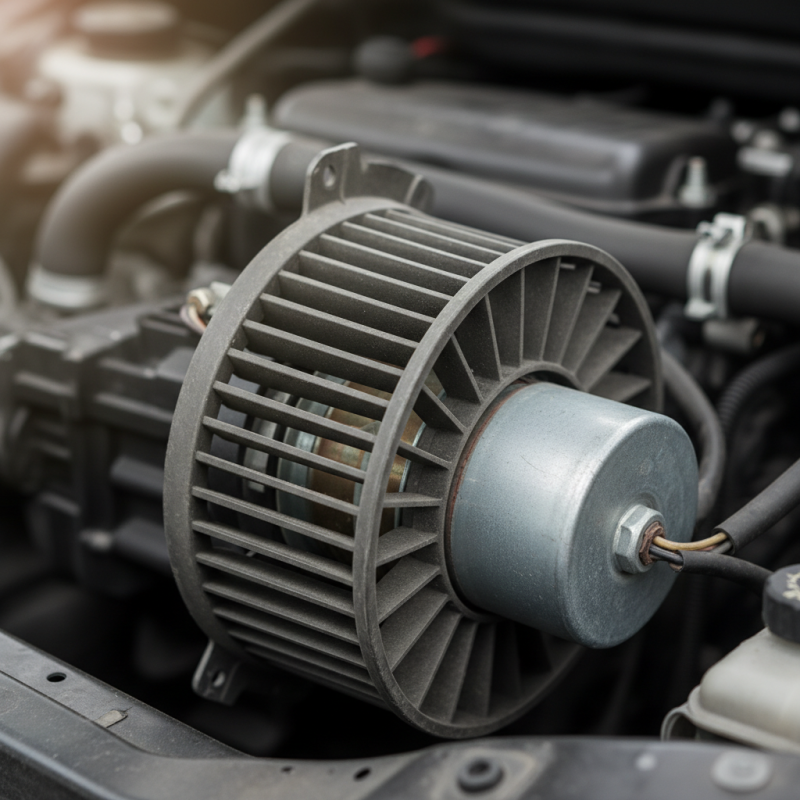
What is a Car Heater Fan?
A car heater fan is an essential component of your vehicle's heating system. It circulates warm air throughout the cabin, ensuring a comfortable drive in cold weather. This fan works by pulling air from inside the car and pushing it over the heating core, which is heated by the engine's coolant. The fan then blows this warm air out into the passenger area.
When using your car heater fan, it's important to understand its settings.
The fan speed can be adjusted depending on how quickly you want the cabin to heat up. However, if you're driving in extremely cold conditions, turning the fan to a higher setting may not always be effective. Sometimes, lower settings allow for a more gentle and even distribution of heat.
**Tips:** Keep your car's interior clean to enhance airflow. A cluttered cabin can block vents and hinder the heating process. Regular maintenance of your vehicle's heating system is crucial. Check for blockages or leaks in the ducts. This can prevent the fan from operating efficiently. Don’t overlook these small details; they can make a significant difference in comfort during winter drives.
The Components of a Car Heater Fan System
A car heater fan system comprises several key components that work together to provide warmth and comfort in a vehicle. Understanding these parts can enhance your knowledge of vehicle maintenance and performance. The blower motor is crucial. It draws in cabin air and pushes it through the heating core. According to industry reports, nearly 40% of driver discomfort stems from inefficient heating systems. Regular checks can prevent these issues.
The heating core, often made of aluminum or copper, transfers heat from the engine coolant to the cabin air. Its efficiency significantly impacts how quickly the car warms up. A report by the Automotive HVAC Industry found that systems with a well-designed heating core can improve air distribution by 25%. This can mean a warm cabin within minutes on chilly mornings.
Ductwork is another essential element. It channels warm air from the heating core to different areas of the vehicle interior. Over time, ductwork can accumulate dust and debris, which may restrict airflow. Regular maintenance is often overlooked, leading to reduced comfort. Although many aspects of the system may seem straightforward, neglecting maintenance can result in poor performance. Taking the time to check these components can make a significant difference in driving comfort.
What is a Car Heater Fan and How Does it Work? - The Components of a Car Heater Fan System
| Component | Description | Function |
| Blower Motor | An electric motor responsible for moving air through the heating system. | Circulates heated air from the heater core into the vehicle's cabin. |
| Heater Core | A small radiator-like device that warms the air being blown into the cabin. | Transfers heat from the engine coolant to the air passed over it. |
| Thermostat | A device that regulates the temperature of the engine coolant. | Ensures the engine and heater core reach and maintain optimal operating temperature. |
| Air Ducts | Channels that direct airflow from the blower motor to various parts of the cabin. | Distribute warm air evenly throughout the vehicle interior. |
| Control Panel | Interface used by the driver to adjust temperature and fan speed. | Allows personalized control of the heating system according to comfort needs. |
How a Car Heater Fan Works: The Mechanism Explained
A car heater fan plays a crucial role in creating a comfortable atmosphere inside vehicle cabins during cold months. This mechanism works by blowing air over the heater core, which is warmed by hot engine coolant. The warm air then circulates throughout the cabin. Most modern vehicles use electric fans for efficient heating, controlling airflow based on the cabin’s temperature needs.
According to the Automotive Heating and Air Conditioning report from the Society of Automotive Engineers, efficient cabin heating can improve comfort and reduce fuel consumption. Proper maintenance of the heater fan system can lead to better performance and increased safety. A faulty heater can lead to foggy windows, impacting visibility.
Tips: Regularly check your car’s heater fan for unusual noises. Strange sounds may indicate wear or debris in the fan. Additionally, replace the cabin air filter as needed to ensure maximum airflow and proper function. A clean filter helps maintain the quality of heated air.
Understanding how the heater fan works is important. However, many drivers overlook its maintenance. Simple actions can extend the fan’s life. Ignoring it might lead to costly repairs or inadequate heating.
Common Issues with Car Heater Fans and Troubleshooting Tips
Car heater fans play a crucial role in maintaining comfort inside vehicles during colder months. However, they can encounter several issues that affect their performance. Common problems include weak airflow, unusual noises, and blown fuses. Studies indicate that approximately 35% of car climate system failures relate to the fan. Weak airflow often results from debris clogging the fan motor or an obstructed cabin air filter. These components require regular maintenance to ensure optimal performance.
When faced with unusual noises from the fan, it is essential to address the problem promptly. Noises may indicate a failing motor or loose components. A detailed inspection can highlight issues before they escalate into costly repairs. Industry reports suggest that audio alerts could save vehicle owners about 20% in maintenance costs yearly. Additionally, blown fuses may stem from electrical circuit overloads. Checking for frayed wires and replacing fuses can often resolve this issue effectively.
Troubleshooting these common problems can benefit from a proactive approach. Regular maintenance checks can identify signs of wear or damage before they become major issues. Car owners are advised to monitor the performance of heating systems, especially during the fall. Data shows that early detection can extend the lifespan of the car heater fan by up to 30%. Ignoring minor malfunctions may lead to more significant problems and increased repair costs.
Maintaining Your Car Heater Fan for Optimal Performance
Maintaining your car heater fan is vital for its efficiency. Regular upkeep can enhance its lifespan and improve comfort during winter. According to the Car Care Council, nearly 80% of vehicles on the road are due for some form of maintenance. A neglected heater fan can lead to poor performance, increasing your risk of window fogging and discomfort.
Checking your fan's airflow is crucial. Weak airflow could mean a clogged filter or malfunction. Routine cleaning can prevent dust buildup that hampers efficiency. Replacing worn-out parts can maintain optimal functionality. The U.S. Department of Energy notes that maintaining a vehicle’s climate control systems can improve overall fuel efficiency by up to 15%. Also, ensure that the wiring and connections are in good condition. Frayed wires can lead to short circuits, causing more significant problems.
Inspecting your fan regularly can help avoid bigger issues down the road. Pay attention to unusual noises; these might indicate wear or damage. Ignoring these signs may lead to costly repairs. A little maintenance goes a long way. Keeping your car heater fan in top shape is a manageable task that benefits both performance and comfort.


 Metal Processing
 Automotive
 Food & Beverage
 Chemical
 Consumer Electronics
 Healthcare
 New Retail
 Semiconductor
 Welding
 Palletizing
 Loading and Unloading
 Assembly
 Bin Picking
 Gluing
 Insertion
 Polishing
