Best Cast Stainless Steel Applications and Benefits?
cast stainless steel is a remarkable material known for its durability and versatility. It is widely used in various applications, from industrial components to kitchenware. Its unique properties make it resistant to corrosion and heat, which enhances its suitability for demanding environments.
In industries such as aerospace, automotive, and construction, cast stainless steel plays a pivotal role. Components made from this material can withstand high stress and pressure. This reliability ensures safety and efficiency in critical applications. However, there are challenges in sourcing quality cast stainless steel. The production process can be complex, and not all manufacturers adhere to high standards.
Ultimately, understanding the applications and benefits of cast stainless steel is crucial for decision-makers. Awareness of its strengths and potential shortcomings leads to better choices. By embracing this material, industries can leverage its advantages while being mindful of the available options and their imperfections.
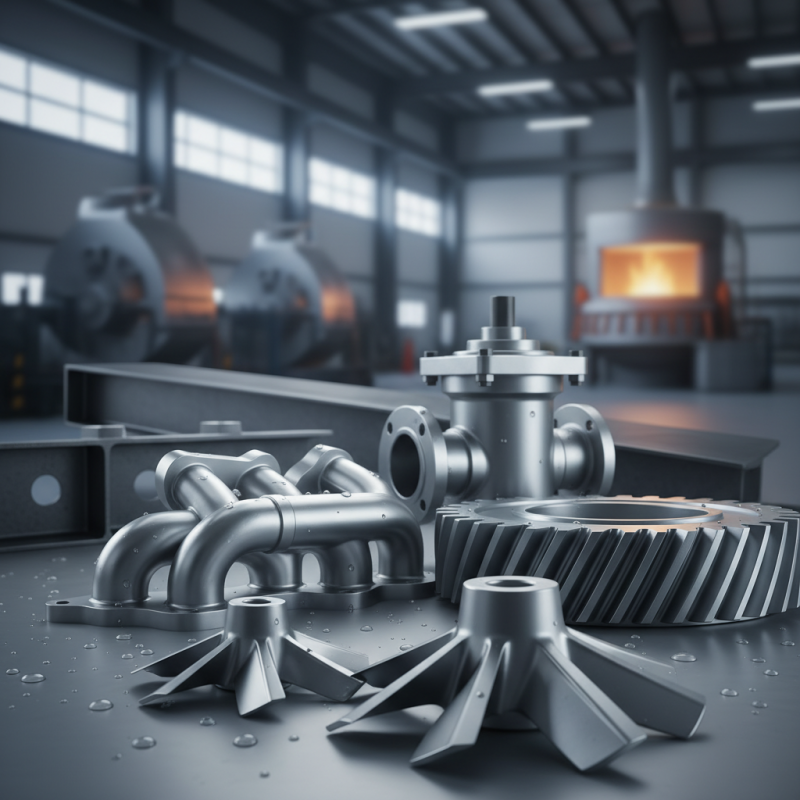
Best Cast Stainless Steel Applications in Various Industries
Cast stainless steel plays a vital role in various industries. Its ability to withstand high temperatures and resist corrosion makes it ideal for challenging environments. In the construction sector, cast stainless steel is used in structural supports and ornamental applications. The aesthetic appeal adds value while maintaining durability.
In the food processing industry, cast stainless steel is often found in equipment where hygiene is crucial. The smooth finish prevents bacterial growth. However, imperfections can occur during the manufacturing process. This may lead to pockets that could harbor contaminants. Regular inspections are critical to ensure safety and compliance.
Similarly, the automotive industry benefits from cast stainless steel components in exhaust systems. It withstands harsh conditions while contributing to the overall efficiency of the vehicle. Despite its advantages, there is a need for ongoing evaluation of fatigue resistance in real-world applications. Failure to address these issues can lead to significant operational challenges.
Key Benefits of Using Cast Stainless Steel in Manufacturing
Cast stainless steel is a popular choice in manufacturing due to its unique properties. It combines strength and corrosion resistance. These qualities make it ideal for a wide range of applications. For instance, it is often used in the food processing industry. Equipment like tanks and valves made from cast stainless steel can withstand harsh conditions.
Another key benefit is its versatility. Cast stainless steel can be molded into complex shapes. This enables manufacturers to create custom parts easily. However, this process isn't always flawless. Sometimes, defects can occur, requiring careful inspection and testing. This is essential to ensure the final product meets standards.
Additionally, cast stainless steel has excellent durability. It can last for years, even in demanding environments. While this adds value, manufacturers must also consider the initial costs. These materials are often more expensive than alternatives. Balancing cost and quality is a constant challenge in production. Ultimately, cast stainless steel presents great benefits but also requires thoughtful decision-making.
Comparison of Cast Stainless Steel with Other Materials
When comparing cast stainless steel to other materials, its unique properties stand out. Cast stainless steel offers excellent corrosion resistance, which is vital in harsh environments. Unlike carbon steel, it does not rust easily, providing durability. However, it can be more brittle than other materials, which might lead to cracking under stress. This vulnerability requires careful consideration in design.
Another advantage is its ability to maintain strength at high temperatures. This differentiates it from plastics that can warp easily. For heavy-duty applications, cast stainless steel remains reliable. Yet, its higher cost may deter some users. Some would opt for cheaper alternatives like aluminum, but they often compromise on longevity.
Tip: Always evaluate the specific needs of your project before choosing a material. Consider factors like exposure to chemicals or temperature extremes. Even a small oversight can lead to significant failures later on.
Tip: Ensure to test prototypes in real-world scenarios. This helps identify potential weaknesses. Understanding how the material behaves under stress can save time and resources.
Best Cast Stainless Steel Applications and Benefits
| Application | Cast Stainless Steel | Other Materials | Benefits |
| Marine Equipment | Excellent corrosion resistance | Mild Steel | Durability in saltwater environments |
| Food Processing | Good hygienic properties | Aluminum | Meets health standards |
| Aerospace Components | High strength-to-weight ratio | Titanium | Cost-effective for large parts |
| Chemical Processing | Resistance to acids and bases | Copper Alloys | Longer life cycle |
| Architectural Elements | Attractive finish and appearance | Plastic Materials | Aesthetic appeal and rust resistance |
Important Factors to Consider When Choosing Cast Stainless Steel
When considering cast stainless steel for your projects, several important factors come into play. The choice of alloy is crucial. Different grades provide varying levels of corrosion resistance. For instance, some may work better in acidic environments, while others excel in high-temperature situations.
Another key aspect involves the manufacturing process. Casting can sometimes introduce flaws, leading to variability in strength. It’s essential to examine the quality of the casting process. Pay attention to how the stainless steel was treated after casting. Heat treatment can enhance durability and performance.
Tips: Always review the certification of the material. Look for documentation on its mechanical properties. Engaging a knowledgeable supplier can further mitigate risks. Think about your specific application. Not every type of cast stainless steel will meet your needs. Reflect on these factors before making a decision.
Future Trends in Cast Stainless Steel Development and Usage
The future of cast stainless steel development is poised for growth, driven by rising industrial demands. According to a recent report by Grand View Research, the global stainless steel market size is expected to reach $140 billion by 2026, with cast stainless steel seeing a significant uptick. This growth is largely due to its unmatched corrosion resistance and strength, making it ideal for various applications.
Innovative manufacturing techniques are emerging, enhancing the versatility of cast stainless steel. For instance, additive manufacturing is gaining traction, allowing for complex geometries that traditional methods cannot achieve. However, this shift raises questions. Are manufacturers ready to adapt? Some companies struggle with integrating new technologies, risking their competitive edge.
Sustainability is becoming a key factor in the industry. The push for recycled materials is growing. Studies show that using recycled stainless steel can reduce environmental impact by up to 90%. Industries are grappling with this transition. How can they maintain quality while also focusing on sustainability? The path forward requires careful consideration and strategic planning. The challenges are significant, but the potential rewards may reshape the landscape of cast stainless steel.


 Metal Processing
 Automotive
 Food & Beverage
 Chemical
 Consumer Electronics
 Healthcare
 New Retail
 Semiconductor
 Welding
 Palletizing
 Loading and Unloading
 Assembly
 Bin Picking
 Gluing
 Insertion
 Polishing
